A man has been sentenced to three years and six months after making £2.7 million from counterfeit vinyl in the largest seizure of its kind in the UK.
Rehan Ahmed, 40, from Cranleigh Gardens, Southall, West London, generated £2,743,000 through the sale of counterfeit vinyl records between 2017 and 2024. He was found guilty at Inner London Crown Court.
The operation, led by the Police Intellectual Property Crime Unit (PIPCU) at the City of London Police, disrupted a criminal enterprise responsible for distributing thousands of counterfeit vinyl records across the UK.
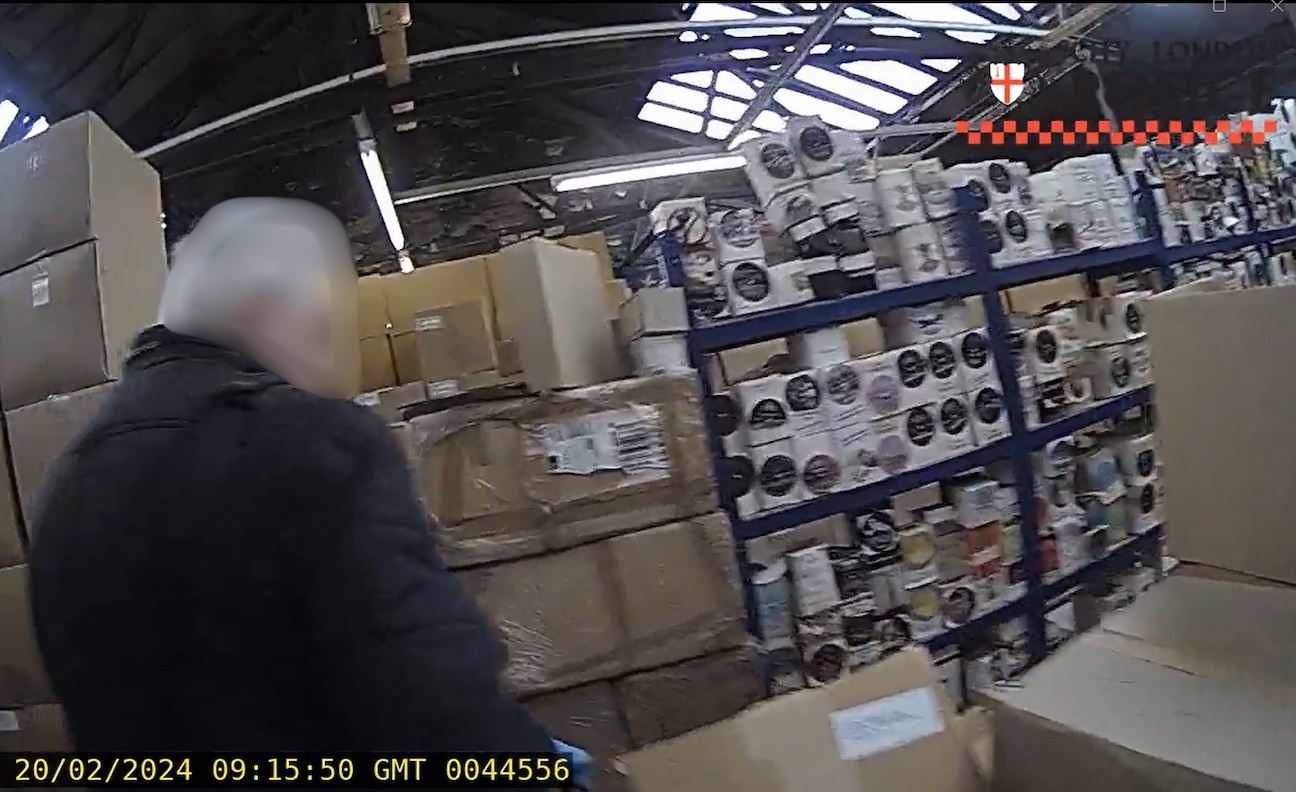
The records were being produced and distributed from a unit in Acton under the name ‘Phoenix of Vinyl’. Warrants executed in February 2024 resulted in the seizure of 2,791 vinyl records, along with stampers and lacquer used in their manufacture.
Record labels examined the seized items and confirmed that all titles infringed their copyright. In total, 108 artists’ copyright were breached.
The case was referred to PIPCU by the BPI, prompting an investigation that uncovered a fully operational underground vinyl-manufacturing plant operating on an industrial scale. Officers found four vinyl presses, each approximately 70 years old, 3,000 metal stampers, and thousands of sleeves and centre labels, totalling 18 tonnes of evidence.
With music on physical formats enjoying a resurgence, the market in counterfeit records has unfortunately also been growing as criminals cash in at the expense of creators and fans
Peter Ratcliffe
“Evidence indicates a long-running, highly organised and entirely unlicensed manufacturing operation capable of producing counterfeit recordings at a scale rarely seen in the modern music industry,” said a statement. The plant is believed to have been operating covertly since 2017.
Detective Constable Daryl Fryatt, from the Police Intellectual Property Crime Unit (PIPCU) at the City of London Police, said: “Rehan Ahmed exploited artists and the wider music industry, taking advantage of the resurgence in vinyl records for his own gain. We will continue to pursue criminals who target the creative industries and bring them to justice when they do. This case should send a clear message to anyone selling counterfeit vinyl, it is illegal and we will take action.”
Peter Ratcliffe, BPI director of content protection, said: “This conviction is hugely significant, and we thank our partners in this investigation, PIPCU and our label members, for their valued efforts over many months to bring about this welcome outcome. Sadly, it won’t return the tens of millions of pounds that we estimate have been leeched from artists, the record labels that support them, and the retail community that sells their music, but at least this major criminal operation has now been closed down and it sends a clear signal to other counterfeiters who are exploiting music that we are coming after them.
“With music on physical formats enjoying a resurgence, the market in counterfeit records has unfortunately also been growing as criminals cash in at the expense of creators and fans. This doesn’t just impact the legal music economy and everyone that works and invests in it – it also affects every one of us as citizens who fall victim to other forms of criminality that it funds. It is vital that we put a stop to it and working with our members, PIPCU, trading standards and other authorities we are absolutely focused on doing just that.”
 FOLLOW