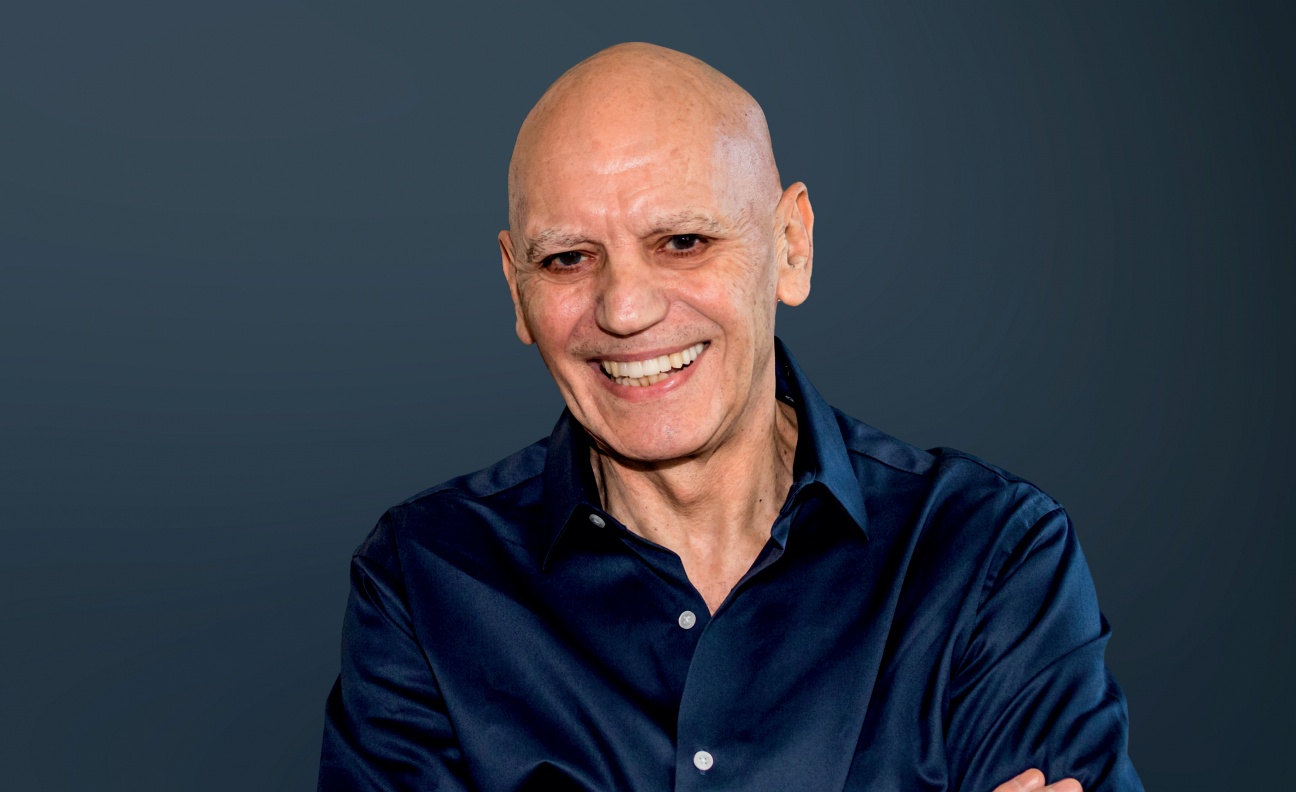
Following a decade as president & CEO of A2IM in the US – not to mention his wide experience of the UK and global music industry during his spells as an artist and producer – Dr Richard James Burgess MBE took over as chair of PPL at the start of 2026. Here, in this exclusive interview, he reveals the outlook for neighbouring rights...
WORDS: Andre Paine
PHOTO: Dan Bassin
Are you encouraged by PPL’s recently reported strong results for 2025?
“The numbers look really positive. Revenue is up, the costs-to-revenue ratio is down. The executive team is amazing. I’ve been a member of PPL for decades now, so when this came up, I jumped at it because I really like the organisation. Peter Leathem is a great leader. Ultimately, we’re trying to put more money into members’ pockets. It feels good to work for an organisation that has that goal, especially having spent much of my life as a musician.”
What are your priorities for PPL this year?
“It’s not about reinventing the organisation, it’s about refining it and just trying to make it better – everybody’s committed to that. PPL punches way above its weight; it’s the number two neighbouring rights CMO in the world. The team is very aggressive in terms of bringing in new revenue from various different sources, like international, and getting those international mandates from artists. So I think that it comes down to how we improve efficiency, accuracy and international collections.”
How can you continue to deliver robust growth?
“There’s no silver bullet in terms of increasing revenues, it’s a combination of various different things. I’ve been really impressed that PPL has strong relationships across the CMO network in general. There’s also the way that the organisation is expanding into new and emerging markets, doing that in a number of different ways, and then improving the execution in the markets that PPL is already operating in. As I said, it’s the number two CMO globally. I don’t know if we can get to number one, but it would be great if we could.”
Will global collections continue to surge ahead?
“I think International is definitely the biggest opportunity. PPL has more than 100 agreements covering most of the global market by value. Some territories don’t even have a [public performance] right – the US doesn’t have a right for [terrestrial] radio, which is outrageous. When I was at A2IM [as CEO & president], I worked on that, but we just haven’t quite got it through yet. If that comes online, that would be a huge amount of growth for everybody. Imagine how many British artists are played on American radio that are not getting paid right now.”
Have you identified challenges for the sector?
“We’ve seen a lot of scary things happening over the past couple of years with AI. But our view is that the same rules apply: if you’re going to use music for whatever purpose, you have to compensate the people who created it, the people who are the rights-holders of it. PPL is active in those kinds of conversations with UK Music and all the other various organisations. There are a lot of issues coming down the pike that will have to be dealt with. But I think we’re ahead of that.”
What would you say about the increasing role of neighbouring rights within music royalties?
“My personal view is that it’s become more and more important over time. Where you used to pay more than £10 for a CD, now fractions of a penny are being transferred every time you listen to something. So streaming royalties look a lot more like neighbouring rights royalties at this point. Radio used to be considered promotion that would sell physical goods, but that’s no longer true, so we have to look at radio as consumption now, not promotion. Ten or 15 years ago, many people were unaware of neighbouring rights, but that’s changing.”
How should artists and rights-holders view the contribution of radio within the ecosystem?
“When I was an artist and producer, it was not only promotion but also a significant amount of revenue. Radio is still an important medium. It’s very impressive in the UK because you have national radio with the BBC and other channels, but you’ve also got regional radio. There’s an awful lot of radio going on in the UK. It accounts for a significant amount of revenue as well. It hasn’t been growing but it’s been stable, which we’re grateful for.”
In terms of public performance, do you think music is important for high street retailers?
“It’s critically important. When I’m in stores, I use Shazam all the time. When you go into stores, you hear different kinds of music and that’s for a reason. They’ve done the research and they know what kind of music appeals to their customers. My view is that if the music is adding something to the environment that might keep someone in the store a bit longer, then it should be paid for. If it’s bringing value to that business, then some of that value should be returned to the musicians and the rights-holders.”
Does your background as an artist and producer help in this new role as chair?
“For me, it really powers the way I think, because I see my PPL statements – I’ve seen them for decades – and I know how important they are. Friends who are my age, some of them are retired and payments from PPL, PRS and MCPS are critically important to their quality of life. So I have a very real understanding of what this money means to somebody’s lifestyle, both when you’re active as a musician, performer, executive or label owner, and later when you’re no longer working.”
Did you maintain your membership of PPL when you relocated to the US?
“Actually, I remained a member the whole time. I’ve always been a member of PPL, PRS and MCPS. I was comfortable with the organisations and thought they did a good job. There have been some ups and downs over the years, but I’ve stayed with them.”
Finally, as a producer who worked on big albums in the 1980s, including for Spandau Ballet, how has that role changed in the modern era?
“When I started, I produced and mixed the whole album for most of the artists I worked with. It was only later in my producing career that they started moving to multi-producer albums. Nowadays, you see multiple producers, and part of that is because of technology and sampling. A beatmaker who comes up with a cool beat will now get a producer credit. But at the end of the day, I think the producer’s job is still the same, which is helping the artists to realise their dream, their vision, and to make a recording that excites the target market.”
 FOLLOW