A two-year investigation has found evidence of systemic racial bias in London's music licensing system, with Black music events cancelled, restricted and shut down at disproportionately higher rates than white-led events of a similar size.
The REMEL (Race Equality in Music Event Licensing) report, published by Black Lives in Music (BLiM), estimates that licensing bias costs London’s Black and South Asian live music scene between £127 million and £141m in lost spend annually, with more than £650m in spending at risk over five years.
Among the report's key findings are that Black and South Asian promoters frequently have events shut down with little or no explanation, while the legacy of Form 696 persists despite the controversial risk assessment form being scrapped in 2017.
The report also highlights how genres associated with Black and South Asian audiences, including Afrobeats, hip hop, R&B and dancehall, are flagged as high-risk, while indie, pop and rock face less scrutiny. It says area-wide crime statistics are used to justify restrictions on individual venues, while disproportionate demands for security and other compliance measures drive up costs for promoters.
Calling for a "fair, transparent, evidence-based and culturally competent" licensing system, its 19 recommendations include an independent review of venue and event licensing, with a panel appointed by the Home Office and the GLA to examine racial fairness, police influence and consistency in how rules are applied.
Other recommendations, spread across five areas, include writing equality and human rights duties into licensing law, requiring local authorities to publish annual data on licensing decisions for independent monitoring, and establishing a dedicated Cultural Events Relief Fund, alongside targeted loans and micro-grants to support cultural and nightlife operators.
Culture is not a risk. Culture is an economic asset
Charisse Beaumont, Black Lives in Music
The study was led by a steering group comprising the Greater London Authority (GLA), the Metropolitan Police Service, UK Music, LIVE and the Musicians’ Union, alongside promoters, artists, venue operators and community representatives.
It followed a joint letter from the Musicians’ Union and BLiM to London Mayor Sadiq Khan calling for action on racial bias in event licensing.
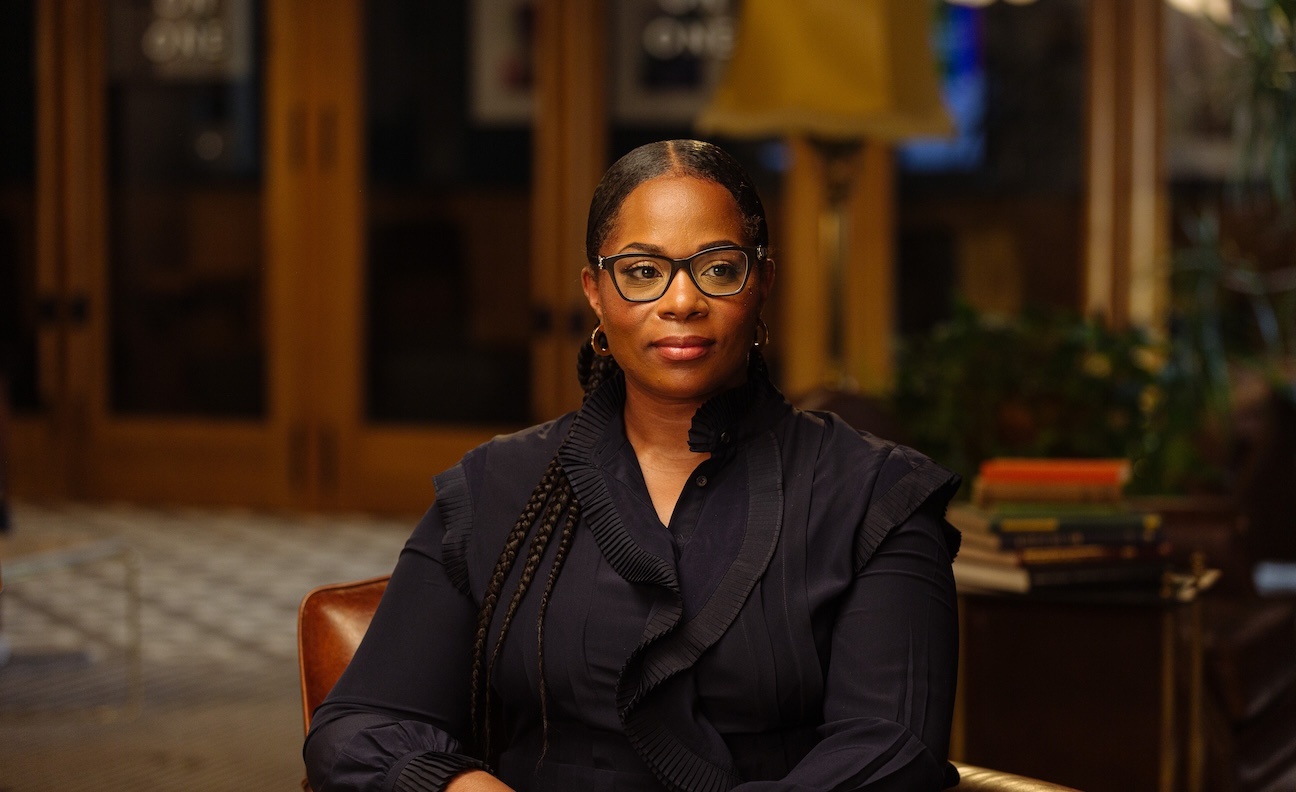
"Culture is not a risk. Culture is an economic asset," said BLiM CEO Charisse Beaumont (pictured). "Licensing doesn't just affect a few artists or a handful of events. It touches every part of the music ecosystem, from the young artist trying to get their first gig, to the promoter building a platform for emerging talent, to the local venue that brings life to a community,"
“Across the research, people called for a licensing system built on transparency, dialogue, cultural understanding, clear definitions of risk and a shared commitment to safety.
“The good news is that everyone involved in this report, from music industry bodies, to the Mayor of London and Metropolitan Police have all welcomed its findings and want to help reform the system, for everyone’s benefit."
The report's findings drew on surveys, interviews, focus groups, industry workshops and Freedom of Information requests and analysis of licensing data.
We need the REMEL recommendations and principles embedded into the very fabric of the licensing system to create a truly thriving nightlife
Charisse Beaumont, Black Lives in Music
Beaumont is now calling on Prime Minister Andy Burnham to work with the forthcoming independent London Nightlife Taskforce to enforce the REMEL recommendations.
While one of the first announcements of Burnham’s government was a 20% cut to business rates for pubs, clubs and live music venues, the report says the barrier for many Black and South Asian-led venues and promoters is obtaining a licence in the first place.
It also found that events in London’s most ethnically diverse boroughs are blocked or hit with police objections at far higher rates than others.
“A rates cut does nothing for the promoter who, as REMEL documents, was charged £10,000 for police attendance at a show with no history of trouble, or a venue like the Colour Factory, which lost £55,000 after a tragic incident occurred outside the venue after operating hours," said Beaumont. "Police suspended its licence and posted warning signs at the entrance, causing financial losses and staff redundancies for an independent venue that had done nothing wrong.”
Beaumont added: “We are grateful for the collaboration of the Metropolitan Police, local authorities, music industry bodies and the GLA on project REMEL. This was a collective effort with the goal to provide evidence and solutions for change in the licensing process.
"It's now time to move from recommendation to action. We need the REMEL recommendations and principles embedded into the very fabric of the licensing system to create a truly thriving nightlife. When licensing decisions are shaped by racial bias and overpolicing in music events, it suffocates creativity, stifles entrepreneurship and blocks economic opportunity.”
No individual, community or venue should ever be racially profiled
Tom Kiehl, UK Music
LIVE CEO Jon Collins said the report sets out the long-term barriers and challenges faced by Black and South Asian people in London's live music industry.
"It highlights how a skewed perception of risk leads to over policing and inconsistent and disproportionate licensing decisions and evidences the personal and economic cost that follows," he continued. "As LIVE we were honoured to offer our support throughout the REMEL process.
"And as LIVE Trust, we are supporting positive action to tackle the challenges identified via Black Lives in Music's LIVE Pathways, a 12-month pilot that addresses inequality of opportunity for people coming through the live music pipeline. That commitment to positive action needs to be adopted by all partners in this project and every organisation and institution that can have an impact.”
UK Music CEO Tom Kiehl described the findings of the study as "highly alarming".
"No individual, community or venue should ever be racially profiled, which is why we join REMEL's call for a licensing system that is based on fairness and facts, not prejudice," he said.
"The UK music industry contributes an incredible £8 billion to the economy and supports 220,000 jobs, but without a transparent, evidence-based licensing model that works for everyone we risk causing untold damage to vital musical hubs across the country and undermining their cultural and economic power."
This is the most important piece of research on barriers to culture that the live music sector has been handed in years
Mark Davyd, Music Venue Trust
Music Venue Trust CEO Mark Davyd said: “This is the most important piece of research on barriers to culture that the live music sector has been handed in years, and everybody working in it should read the whole thing rather than the summary.
"The evidence is careful, it is substantial, and it asks all of us who make decisions about licensing, programming and funding to look honestly at our own part in it. Music Venue Trust will be responding to it in full, and we would encourage every venue, promoter, local authority and police force to do the same.”
Naomi Pohl, general secretary of the Musicians' Union, added: “As a core project partner, we committed to addressing racial inequalities in live music licensing, and holding those with the power to make positive change to account.
"The cancellation of live music events due to racial inequalities means the loss of work opportunities for underrepresented musicians, the loss of platforms for cultural expression and the loss of access to different musical styles and genres for audiences."
The UK Music Black Music Means Business Report found the estimated £24.5 billion of the UK’s £30bn recorded music market over the past 30 years has come from Black music genres, representing over 80% of the total market. British artists contributed approximately £11.94bn of that figure.