Michael Forster, CEO of live music marketplace GigPig, explains why a struggling hospitality sector should be of concern to those in the UK music business, and points to the pivotal role of seed music venues at the base of the country’s live pyramid…
The music industry has, quite rightly, spent years talking about a crisis facing grassroots music venues.
Those venues matter enormously as dedicated stages for artists who have earned an audience and a certain level of momentum.
But before grassroots, there is something else.
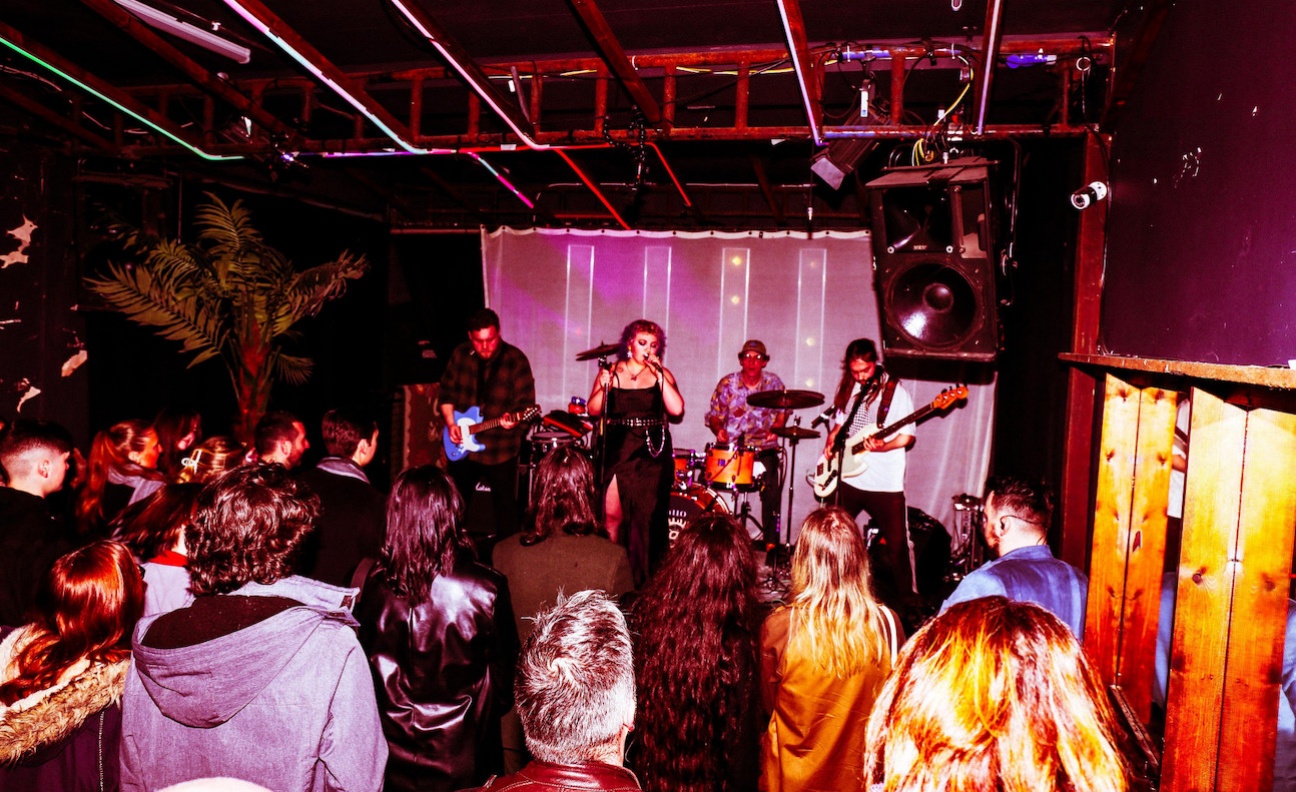
There is the pub back room, the corner of a restaurant, the small stage at the end of a bar… The hospitality venue that takes a chance on live music before anyone is selling tickets.
This is the seed music ecosystem, the earliest stage of the UK's live music pipeline. And if the hospitality sector is in trouble, then so is the UK’s live music ecosystem.
At the start of 2026, the UKHospitality trade body forecast that six of its sector’s venues could close every day over the course of the year. Meanwhile, new research released around Seed Sounds Weekender earlier this year found that more than 1.5 million young Britons may already have abandoned ambitions to perform live music specifically because there are too few suitable venues near where they live.
Those things are not separate stories.
When pubs, bars, restaurants and hotels close, or when they stop being able to stage live music, we lose more than social spaces to eat and drink – we lose the rooms where artists learn how to become artists.
And the seed space doesn’t just provide the first stage for new acts, it provides a completely different model for early live performance: For most emerging artists, putting on a ticketed show is a risk. They have to book the space, sell the tickets, promote the night, and hope enough people turn up to cover the cost. That can be exciting, but it can also be brutal.
Seed music venues work differently: the artist is paid to play. The gig is part of the venue’s offer, not a financial gamble placed on the young act. That means an artist can go out, perform, get better, make mistakes, build confidence, work out what connects, and slowly find an audience without needing much more than the cost of travel.
Without seed venues, there’s a danger that British music is dominated by people who can afford to fail
Michael Forster
It means the first stage is not reserved only for those with financial backing from friends and family. It means a live music career does not have to begin with debt and risk. Without seed venues, there’s a danger that British music is dominated by people who can afford to fail.
The seed music ecosystem is not new. Collectively, this space hosts millions of gigs every year, supports tens of thousands of working musicians and contributes billions to the UK economy. What is new is the growing sense of recognition. Together, these venues form part of the UK's live music infrastructure. Seed Sounds Weekender is a loud and proud celebration of that.
The touch paper was lit by Matty Healy last year when he backed the first Weekender and spoke about the importance of the places where music really begins. "Without them, you don't get The Smiths, Amy Winehouse, or The 1975. You get silence," he said.
Ahead of the second edition in April this year, further support came from artists including The Lathums, The Lottery Winners and others who remember the importance of their first gigs and understand the implications of stages at the base of the live pyramid disappearing.
Now seed music venues need support from the rest of the industry. They need the voices of artists who owe their start to a local. They need managers who remember the diamond act they discovered in a grassroots venue, and recognise that their first steps were often taken in pubs, bars and hospitality venues long before anyone was buying a ticket.
If these first stages disappear, the consequences will not be felt immediately at the top of the pyramid. The damage will happen when an 18-year-old who might have become extraordinary never plays enough shows to find out. It will happen when whole towns lose the habit of discovering live music locally. It will happen when the first step into a live career becomes too expensive, too risky or too far away for anyone without a safety net.
Grassroots music venues remain vital. But if we want the next generation of British artists to grow, we also have to protect the places where those roots first take hold.
PHOTO: Paint Me In Colour live at The Kazimier Stockroom, Liverpool