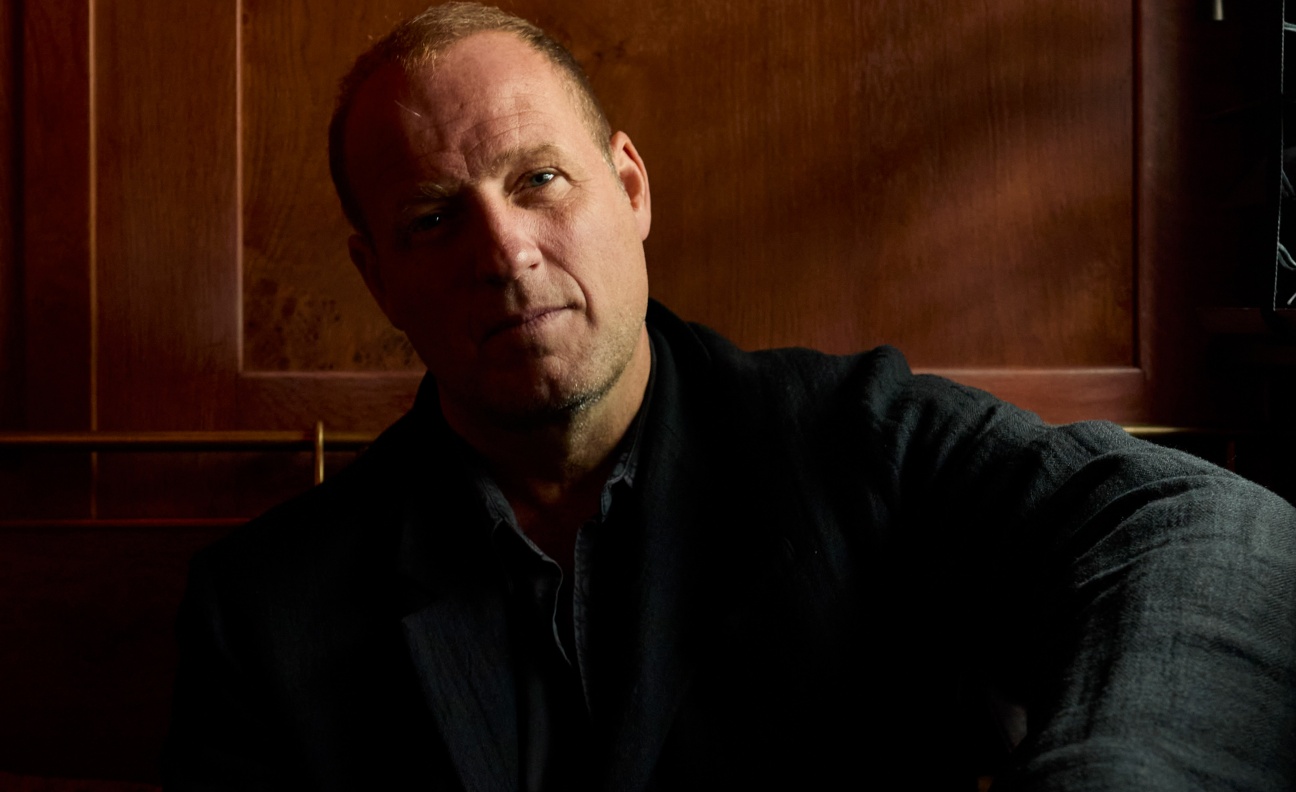
Koko owner and CEO Olly Bengough has opened up on the London venue's "unique business model of live entertainment”, arguing the traditional way of doing things is "broken".
The Camden destination relaunched in 2022 with members’ club House Of Koko, a recording studio and media company Koko Productions following a £70 million renovation. Turnover has soared from £4m in 2019 to £27m in 2024 – and Bengough says it is now trading profitably.
"We were brave enough to disrupt the old model," said Bengough, speaking in the August edition of Music Week. "We had a music venue for 15 years, sold tickets and drinks, and then we added eight new revenue streams to the business.”
The business has grown from two revenue streams – ticketing and bar sales – to 10, including memberships, livestreaming, sponsorship, film and production, hospitality and a new recording studio.
Luxury fashion houses like Miu Miu are aligning with the brand, and memberships are selling at up to £100,000 for a 10-year patron package.
"We’ve got 450,000 followers across our social channels, and over 3,500 members of the House Of Koko," said Bengough. "We have a unique business model of live entertainment.”
The venue marks its 125th anniversary this year, having operated under various names before becoming club-culture landmark The Camden Palace between 1982 and 2004, and then Koko under Bengough.
Koko's self-funded redevelopment also added the intimate Ellen's jazz club and Cafe Koko to the 1,500-cap main theatre, which has upcoming shows with acts such as Pale Waves, Vanessa Paradis, Sam Tompkins, Young The Giant and Jack Harlow.
"The new project allows us to have three venues and three different types of artist sites," said Bengough. "We can play around more with emerging artists – we saw that with Olivia Dean, who did three nights in Ellen’s. Then she played the theatre, and from there she went on to win multiple awards.
"On a project like this, there are so many things you try, and it’s a bit of trial and error. Are there things that have failed along the way? Yes, but they’re not fundamental things, they’re things that ebb and flow. There isn’t a vertical of the business that has failed. Some of the new revenue streams have exceeded what I thought they would do, and some have underachieved. But overall we’re ahead.”
Today, the business model is broken at the entrepreneurial level
Olly Bengough, Koko
Koko is thriving amid mounting pressures on grassroots venues, but Bengough argued the industry's long-term future depends on making it attractive for entrepreneurs to invest.
“Great companies across the industry are doing their best. But what you need is a climate where entrepreneurialism is rewarded," he said. "Music Venue Trust can help, charities can help, the government can even help a bit. But what will really make the future of live entertainment in this country fly is if you’ve got lots of entrepreneurs in their mid-20s who go, ‘I want to do this for the next 20 years because I believe it’s creatively exciting and I can turn it into a good business.’”
He warned that rising costs and shrinking margins mean the financial case for opening a venue has weakened significantly.
"The challenge is that, if the canvas isn’t there and you’re young and you don’t believe you can make a margin, you’re not going to do it," said Bengough. "A healthy margin is 20% to 30%.If they can only break even or make 5% profit, no one will invest, because they can get 5% in the bank.
"Between high taxation, energy prices and [business] rates, it’s becoming too expensive for someone young to dedicate the next 10 years of their life to opening up a grassroots venue, or dreaming of being the next Koko, or the next Live Nation. Why shouldn’t young entrepreneurs dream of doing big things? But if they’re being told that two pubs a day are closing and eight out of10 hospitality businesses [only] make a 5% margin or break even, that’s not really a future.”
He continued: “Until we make it an exciting business for young entrepreneurs, you’re not going to get the rough edges, the mavericks, and those are the people who really move the needle. When I started in the early 2000s, it was still a risky business, but the fundamentals did make sense – you could turn a 20% margin.
"Today, the business model is broken at the entrepreneurial level. It’s not broken at stadium level, let’s be clear, but you want both. You need a realistic business model, otherwise young entrepreneurs are going to go and do something else. They’re probably going to stay at home and create online businesses because, at least with online, you can scale. I don’t think enough work has gone into understanding what it takes to run physical spaces.”
Subscribers can read the full interview with Bengough in the new issue of Music Week or online here.