Sponsor content created with Trakr
A major record label or publisher suing a major brand for significant damages is no longer surprising. The question for the music industry is what happens between those headline cases. The same brand's wider social output may contain music associated with many other rights-holders, large and small.
A brand may use music from many catalogues across years of posts, while a public action addresses only selected works and claimants. The lawsuit makes the news; the remaining licensing and recovery opportunity usually does not.
Trakr is a music rights recovery firm for labels, publishers, artists, managers, composers and music houses who are affected by infringement on social platforms. As well as identifying unauthorised commercial uses and licence overruns, Trakr validates rights and commercial context, preserves evidence, assesses value and manages cases towards a commercial resolution – ‘lost’ revenue returned to rights-holders.
The scale of licensing revenue retrieval
Infringement cases continue to make headlines this year.
Sony Music Entertainment last month sued The Kroger Co over what the major claimed were 392 unauthorised uses of tracks across accounts run by Kroger brands, including Murray’s Cheese, Home Chef, Ralphs, Mariano’s, Harris Teeter, Fred Meyer Jewelers and Ruler Foods, as well as Vitacost.com (sold by Kroger Co earlier this year). Sony is seeking damages of up to $150,000 for each infringed copyright.
Among the songs cited in the case are Hey Ya! by Outkast and All I Want for Christmas Is You by Mariah Carey. In addition, Sony alleges that a licence granted for The Lovin’ Spoonful‘s Do You Believe in Magic in Kroger’s 2020 Christmas campaign had expired but that the video remained publicly viewable.
In another 2026 legal action brought by Universal Music Group and Concord against fashion start-up Quince, the complainants alleged that more than 130 copyrighted works were used without authorisation on TikTok and Instagram posts. Neither The Kroger Co or Quince have commented on the lawsuits.
The Quince brand has been built largely through social media and paid influencer marketing. According to the legal filing, the artists whose work was used included Sabrina Carpenter, Olivia Rodrigo, Ariana Grande, Billie Eilish, Chappell Roan, Lana Del Rey, and more.
Trakr's own research audit of Quince's social output identified music associated with numerous other rights-holders, both large and small. While there is no suggestion that every other identified use was unlicensed or actionable, it illustrates the scale of repertoire being drawn into brand campaigns on social media.
The explosion of viral marketing on TikTok, YouTube Shorts and Instagram Reels, among other platforms, has meant that music companies are increasingly pursuing legal claims for alleged use of their repertoire without permission. Sony Music and Warner Music sued energy drink company Bang Energy back in 2021, while Sony has settled cases with shoe retailer DSW fitness brand Gymshark, Marriott Hotels and the University of Southern California.
The commercial question is: how much licensing and recovery revenue remains unrealised across the full global, cross-platform market?
Trakr
The scale of the potential infringement is evident from more than 350,000 TikTok posts analysed across 1,000+ brands in 18 months by Trakr. It found more than 32,000 posts with no clear evidence of commercial music licensing; 8,000+ titles; more than two billion views; and $56 million in estimated earned media value.
While that amount of earned media value would potentially include a considerable amount in unpaid licence fees for the music industry, it’s worth noting that the brand sample represents less than 1% of global brands using social media and the research covered only one platform (TikTok).
The commercial question is: how much licensing and recovery revenue remains unrealised across the full global, cross-platform market? Trakr's research points to a potentially multi-million-pound opportunity.
The revenue between the headlines
Crucially, the opportunity for retrieving this lost revenue on social feeds is not just for rights-holders representing major catalogues – it affects the entire music ecosystem of artists, songwriters and other licensors that control recordings, compositions or time-limited brand music agreements.
For executives at labels and publishers – including heads of legal, business affairs, sync, licensing, rights management, catalogue and commercial strategy – who are confronting potential infringement on social media, the opportunity is not just confined to litigation either.
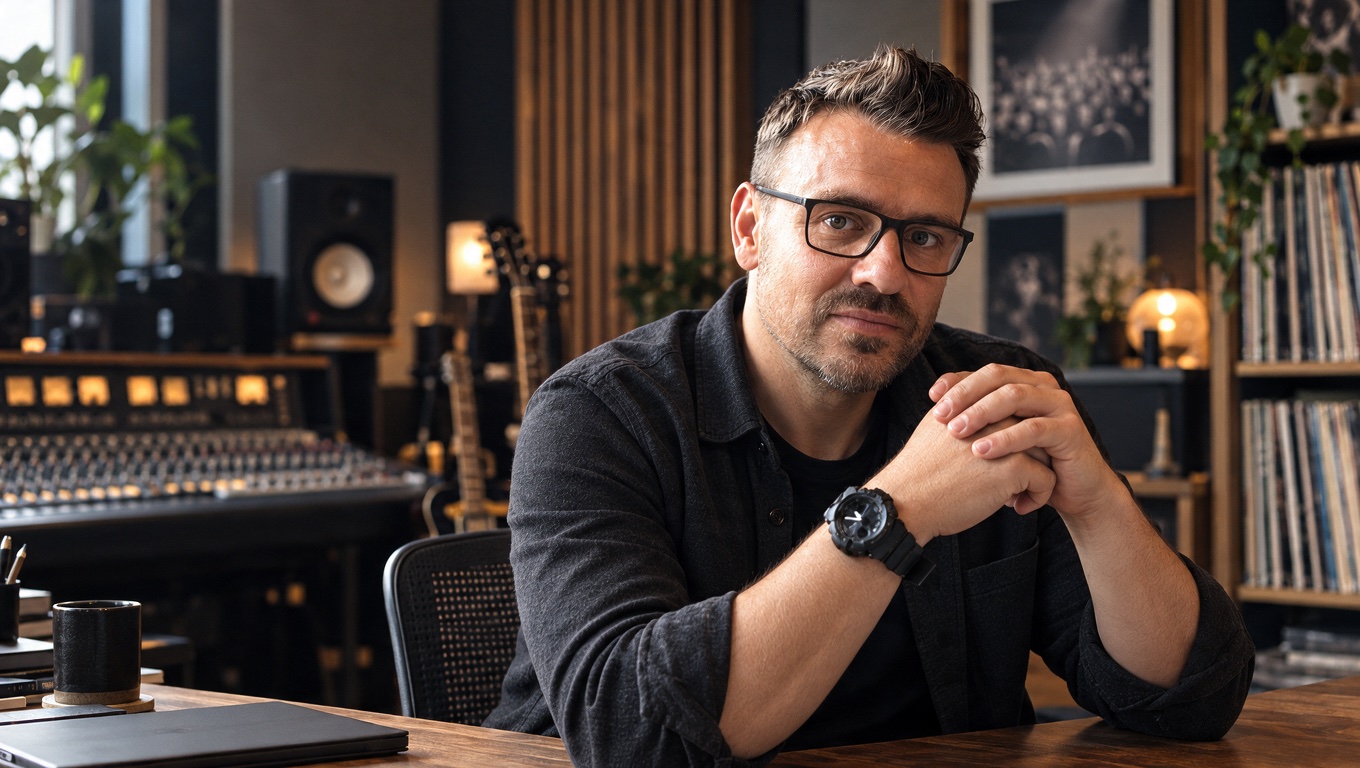
Trakr founder Nick Payne
Many matters may be resolved commercially through a new licence, settlement, renewal, retrospective payment or removal. Smaller individual uses can also become material when activity is assessed systematically across a catalogue or a brand's complete social history.
Trakr has identified two revenue leaks:
– Never licensed: brand, agency and creator content uses commercial recordings or compositions without clear evidence of the permission required for brand marketing.
– Licensed and lapsed: content remains live beyond the agreed term, or is reused outside the territory, media or scope covered by the original agreement. Content still being online does not by itself establish an overrun.
The licence ended. The content didn't.
In addition to cases where brands are unlicensed, expired licences are an important second strand because the original agreement has already established that the music has a commercial price.
Trakr works from the actual licence terms, identifies and documents any overrun, and manages the matter towards renewal, retrospective payment or removal.
Claims are managed by Trakr's in-house legal team, led by a qualified solicitor, with a specialist litigation partner available where escalation is justified.
Why the revenue is missed
Rights-holders know the problem exists, but awareness does not create recovery. Social content is published at huge volume; tracks may be shortened, sped up, remixed or buried under a voiceover.
Furthermore, ownership is divided, and historic posts are rarely checked against catalogue data or original licence terms. Which is where Trakr comes in…
How Trakr solves it
Pursuing the opportunity for rights recovery requires evidence, rights mapping, valuation, judgement and sustained case management – all solutions that Trakr can provide as part of its comprehensive music rights recovery offering.
Trakr presents clients with decisions, and every case is assessed with future licensing relationships in mind. Clients approve the selected cases before any approach is made to a brand.
There is no monthly fee, platform fee or retainer. Trakr is paid from what it recovers; if nothing is recovered, the client pays nothing. And Trakr does all the heavy lifting: clients receive considered commercial decisions, not another list of posts to investigate.
Trakr's research of brands’ social platform marketing underlines the scale of infringement on brand feeds. With the company’s expertise and resources, the music industry now has the opportunity to access a multi-million-pound pool of unrealised licensing and recovery revenue across multiple platforms.
To find out what remains undiscovered across catalogues you represent, request a confidential case review here.