The REMEL (Race Equality in Music Event Licensing) research project has found that Black music events are cancelled, restricted and shut down at far higher rates than other events.
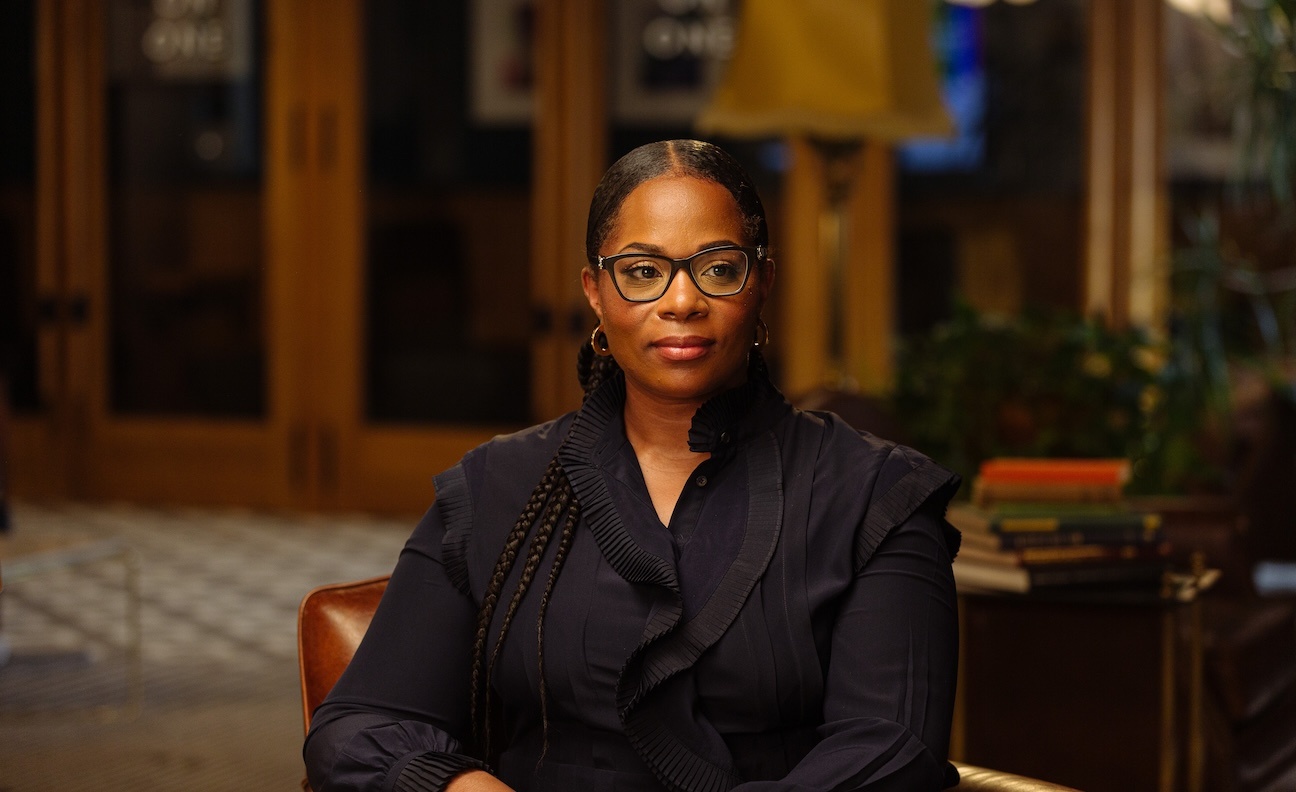
Here, Dr Charisse Beaumont, chief executive and co-founder, Black Lives In Music, says the legacy of Form 696 “continues to cast a shadow over our live music sector”....
Live music is one of the UK’s great economic success stories. LIVE reports it was worth £7.6 billion in 2025, supporting more than 234,000 jobs. UK Music estimates music tourism generated £11.2 billion in spending in 2025, including £3.4 billion in London.
UK Music’s Black Music Means Business report found that music rooted in Black traditions contributed £24.5 billion, approximately 80% of the recorded music market value examined over 30 years.
Black music shapes what we listen to, stream and celebrate. It fills our dancefloors, festivals and arenas. Yet many Black and South Asian artists, promoters and venue owners still face racial discrimination, disproportionate policing and barriers to opportunity.
We celebrate the culture. We profit from the culture. But are we doing enough to ensure the people behind it can build careers and businesses from it?
This week, Black Lives In Music published REMEL, the Race Equality in Music Event Licensing report. Developed through collaboration involving the Greater London Authority, Metropolitan Police and music industry partners, it examines disproportionate restrictions, policing interventions and cancellations affecting Black and South Asian-led events across London.
We have not suddenly discovered racism in live music. Our communities have described it for generations. What we now have is evidence that makes those experiences harder to dismiss.
The research documents how genres including hip-hop, grime, drill, Afrobeats, R&B and dancehall attract heightened scrutiny, with assumptions about artists and audiences influencing safety decisions. Form 696, the Metropolitan Police risk assessment scrapped in 2017, may be gone, but its legacy remains.
Of course we want safe venues, events and communities. The question is whether decisions are based on credible evidence or racial profiling and cultural misunderstanding.
REMEL estimates that disproportionate licensing and policing practices contribute to £127 million to £141 million in lost potential live music spending across London annually. Over five years, that could exceed £650 million.
Licensing is a form of gate keeping. It touches every part of the music ecosystem, from the young artist trying to get their first gig, to the promoter building a platform for emerging talent, to the local venue that brings life to a community.
When an event is cancelled, it is not only the artist who loses. Promoters lose investment; venues lose revenue; managers, agents, sound engineers, technicians and freelance workers lose income. Local hospitality businesses and suppliers lose trade. Songwriters and publishers can lose live performance royalties too.
PRS For Music reported record live music licensing revenue of £101.4 million in 2025. Every performance prevented is another opportunity lost across music.
Careers begin in grassroots venues, community spaces, independent club nights and small festivals. They grow because a promoter takes a chance, a DJ introduces a new sound, or a venue gives an emerging artist their first audience.
Black and South Asian communities should be able to own venues, promote events, attract investment and build businesses that create lasting wealth
Dr Charisse Beaumont
In 46% of cases involving police intervention, the venue was reported to have closed entirely. These spaces are our talent pipeline. Without them, how does a Black artist move from a small room to a theatre, an arena or a stadium? How do we build the next generation of headliners while closing the stages where they learn their craft?
And opportunity must mean more than appearing on stage. Black and South Asian communities should be able to own venues, promote events, attract investment and build businesses that create lasting wealth.
REMEL describes promoters facing last-minute cancellations, unexplained restrictions and costs that threaten their businesses. Without certainty, how can they develop a track record, secure finance or grow?
There is also the mental health impact Imagine investing your savings, time and reputation in an event, only to see it cancelled with little explanation or chance to appeal. The stress, anxiety and reputational damage can be devastating.
REMEL calls for transparent decisions, consistent evidence standards, proportionate policing, independent oversight, fair appeals and reform of exclusionary licensing conditions. Government, local authorities and the police have responsibilities here. But the industry cannot simply leave this to the government.
I am encouraged that organisations including UK Music, LIVE, the Musicians’ Union, Music Venue Trust, the Music Managers Forum and the Association of Independent Promoters are supporting the push for change.
The LIVE Trust’s investment in Black Lives In Music’s LIVE Pathways programme shows what practical commitment can look like: helping Black, Asian and ethnically diverse talent enter and progress in the live music workforce. We need more of that investment, alongside systemic reform that removes barriers in the first place.
I want to see a future where a young Black artist can perform anywhere without their genre being treated as a warning sign; where a South Asian promoter can build a thriving business; where talent, enterprise and opportunity are not limited by ethnicity. Where our communities can generate wealth.
We have the research. We have the evidence. We have the recommendations. Now the industry must match its commercial ambition with a commitment to equality.
Culture is not a risk. Culture is an economic asset. It is time we treated it that way.