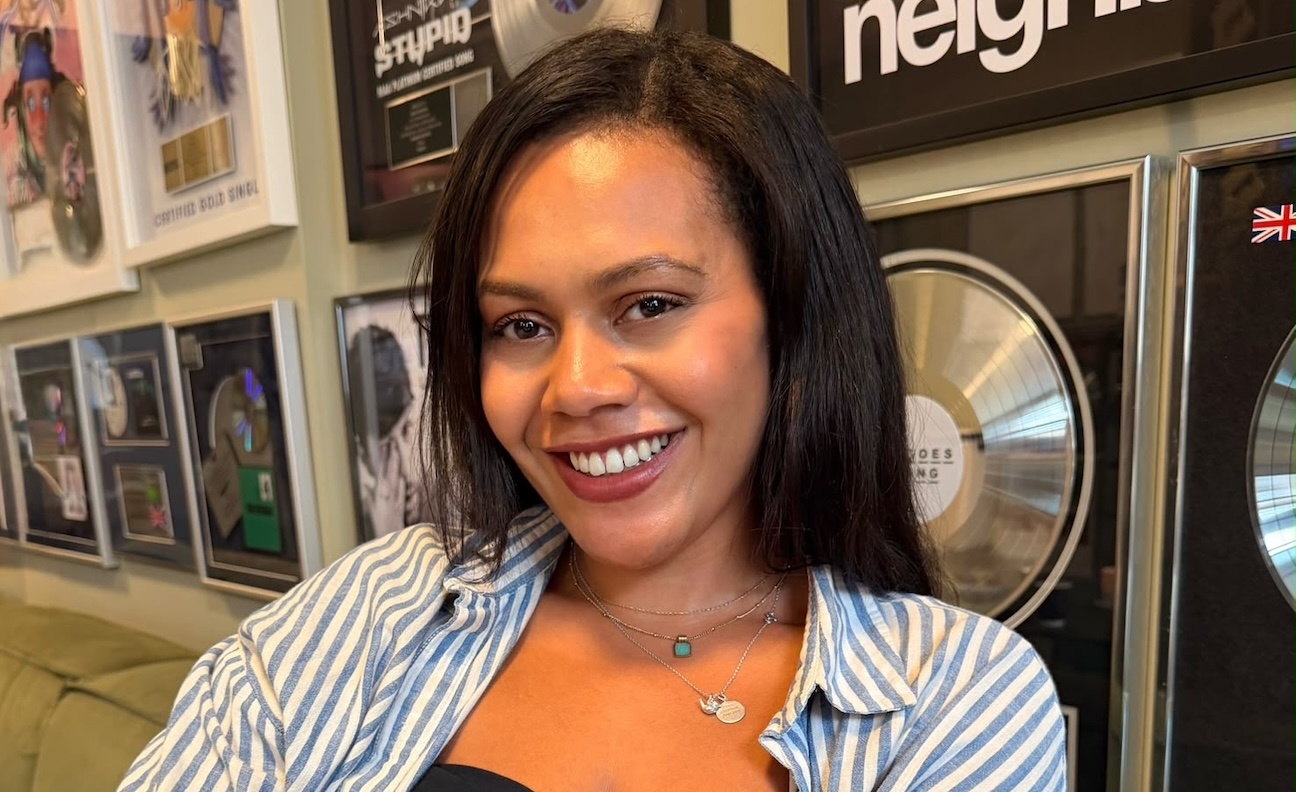
In the following Op-Ed, Various Artists Management's global head of marketing & strategy Rebecca Dixon sets out why the music industry needs to rethink how it builds lasting fandom among younger audiences...
One of the most important points of fandom comes during adolescence.
When you think about your adult music taste, there’s always one or two acts that soundtrack pivotal points of your adolescence. Artists whose music forms a big part of who you are, what you like and how you live for the rest of your life.
Your first concert, hearing a song for the first time, buying an album for the first time or seeing someone so out of your world that it flips everything you know on its head, is a feeling that can’t be manufactured. It's also something that has been disregarded for the last few years by the industry.
The loss of the distinct musical identity found as and for an adolescent fails to have been considered as a priority. It has led to long term effects on artist development and growth as well as the way we cultivate fandoms and the simultaneous development stages of fan and artist.
Are teenagers even able to have their own music culture anymore?
Gen Alpha has grown up with access to the world’s historical recorded music library. They’re discovering Kate Bush, The Cure and Stevie Wonder at the same time as Jim Legxacy, Underscores or Konyikeh; but what have we done as an industry to help adolescence produce long-term fandom in the last six years?
Virality is changing and we should be prioritising building and recognising subcultures outside of teenagers simply engaging with sounds
Rebecca Dixon, Various Artists Management
We have globally lost cultural institutions that helped form teenage music culture, things like venues, tastemakers, magazines, youth clubs and more, and as we move into a new era professionally, we need to help form and develop what that looks like in a world of algorithms, real life and renting music.
Virality is changing and we should be prioritising building and recognising subcultures outside of teenagers simply engaging with sounds. The sounds that rapidly gain traction are often then served to audiences of wildly different ages and immediately lost to passive behaviour before potential fans are given a chance to invest in their discovery. Gen Z or Alpha haven’t asked for any of this either, it’s just something they’ve inherited.
Becoming a fan is different to just hearing a song.
We have prioritised making people hear an artist, but have become worse at helping people become fans. The distinction between culture for teenagers and adults becomes less and less. Whether you're 13 or 35, streaming means people are often receiving versions of the same recommendations from music available from every time period. The volume model of content is connecting less and less for long term interest but of course can still result in ‘success’. For now.
That’s where we need to re-evaluate what ‘success’ actually means as we move into the next age of consumption. Creating context out of a sound on TikTok becomes harder and harder with virality providing completely different opportunities for artists than it did two years ago. A view on a video now means something completely different to what it once did. Everything is consumed as standalone rather than contextualised as one element needed to create long term fandom. This is before you even come to the current recorded music business models and how development artists can sustain a career in today's climate.
The business model we’ve taught people to focus on the most is broken and it’s time to reframe our measures of success.
Streaming numbers and creator campaign results are now less inflated and thankfully becoming more niche. Think back to the early social internet and Seth Godin’s Tribes. We’re returning to an era of music where metrics and consumption are actually reflective of an artist’s audience. We should expand our desire as an industry beyond just streaming numbers and likes on a post (the comments section is way more fun anyway).
Younger audiences are rebuilding fandom in a way we’ve disregarded, but the industry needs to make changes to meet them where they’re at
Rebecca Dixon, Various Artists Management
We should prioritise giving the audience something more long term and helping our artists do so, rather than just waiting/hoping for them to figure it out. Streaming isn’t disappearing, it’s firstly too functional and, personally, my playlists have been going strong since the iPod video. However, we do need to adapt the ways we develop it and allow people to engage with an artist and song.
This is a problem created by the whole industry, not just DSPs. We choose how to use platforms and always have. Or avoid regulation until they no longer play to our favour.
People yearn for belonging. That is just a fact in every part of life in 2026 and the mental health crisis our youth are facing.Yet the industry that yearns for their involvement provides no space or infrastructure for them to belong and communicate other than spaces that belong to the individual artist. People need rituals and something they feel like they belong to on and offline.
Hyperindividualism has become exhausting for society and doesn’t help create superstars. With the rise in everything mentioned above, people are leaving the echo chamber and the music industry as an entity needs to catch up, just as the independent tastemakers and communities are building in an authentic way… that is until a company buys them out under the guise of building community with none of the infrastructure or relevant consultants to keep the authenticity.
‘Community’ is all everyone bangs on about, but is anyone practicing what that actually means – in real life or the music industry? Younger audiences are rebuilding fandom in a way we’ve disregarded, but the industry needs to make changes to meet them where they’re at. Gen Z is continuously driving sales of physical media, fandom accounts thrive, music tastemakers with authentic stories and opinions are coming back. Tia Ho, Marg.mp3, Cristinachenii, Anthony Fantano don’t just publish, they create context and a space where people can see part of themselves. Outward communication and showing people things is very different from building community.
Real life experiences become reality as a result of community built and conversation utilising technology. Passive likes, streams, validation and views need to not be looked at in the same way. The importance placed on them currently is a result of the industry disregarding metrics that actually measure fandom and conversation. Our definition of success needs to be realigned with today's climate and we need to stop replacing one dashboard with another and asking artists to do all of the work.
We should question the obsession with measuring attention and validation at the expense of building experiences and content that truly turns listeners into fans.
The future isn’t about rejecting everything we’ve prioritised the past few years. We just need to stop treating passivity, discovery and link clicks as our end goal. We’re all music fans, we just need to give those fans a place to go and a way to participate.