
Chris Austin, co-managing director at Official Charts, has called for “collaboration across the music industry” as the company celebrates 70 years of the albums chart.
It’s been a month of celebration for Austin and his team, and he has told Music Week the milestone is an opportune moment to reinforce the importance of the charts in today’s business.
“For 70 years, the Official Albums Chart has provided the music industry with a trusted, independent measure of the records capturing the public’s imagination,” Austin said. “It gives artists, labels, managers, retailers and the wider business a shared benchmark through which success can be recognised and celebrated.”
Austin suggested there is plenty to the industry can do to support the work of the Official Charts.
“The quality of the charts is built upon collaboration across the music industry,” he stated. “Accurate and timely sales, streaming, product and metadata information is essential, so the continued support of labels, distributors, digital platforms, retailers and independent record shops remains incredibly important.”
It gives artists, labels, managers, retailers and the wider business a benchmark through which success can be recognised and celebrated
Chris Austin, Official Charts
“We would also encourage the industry to celebrate the widest possible range of Official Chart achievements,” he added. “A No.1 will always be the ultimate prize, but a first chart entry, a new personal best, a Top 10 album or the return of a classic record can each tell a compelling story about an artist and their audience.”
The charts were in the news on Friday, as Rein Me In by Sam Fender & Olivia Dean broke the all-time record for most weeks at No.1 for a single in the UK. Rein Me In has 2,129,150 sales to date, while Dean’s chart-topping album The Art Of Loving is the biggest seller of 2026. It has sales in 429,198 2026 and 707,652 overall.
“Olivia Dean continues to drive fan engagement and dominate the charts, with The Art Of Loving confirmed as the biggest album of the year so far, spending six weeks in 2026 at No.1,” said Austin.
 Olivia Dean celebrates a chart double last year
The executive also paid tribute to Oasis, whose (What’s The Story) Morning Glory? was announced as the No.1 studio album of all time, according to OCC data.
“For (What’s The Story)... to be officially recognised as the UK’s biggest studio album of all time is an extraordinary achievement and a fitting reflection of its lasting cultural impact,” Austin said. “With 6.2 million UK chart units, it sits behind only two greatest-hits collections in the overall all-time ranking. That places an original studio record at the very highest level of British chart history. Three decades after its release, the album continues to unite generations, fill stadiums and soundtrack major moments in people’s lives.”
Austin said the songs have “become part of the fabric of British culture, but the record still carries the excitement, confidence and emotion that made it connect so powerfully in 1995”.
“Congratulations to Liam, Noel and everyone involved in creating and sustaining such a landmark album,” he added. “Its legacy is immense, and this achievement underlines just how special that body of work remains.”
Read on for a Q&A with Austin, as we discuss the ongoing power of the albums chart, what the format means in the modern industry and more…
Can you sum up the importance of the albums chart to the wider music industry as it turns 70?
“An Official Albums Chart position represents much more than a weekly ranking. It reflects the commitment fans have made to an artist and their body of work, whether they have bought a vinyl record, picked up a CD, downloaded an album or streamed it. It can provide an important moment in an artist’s career, introduce their work to new audiences and create a permanent place for that achievement within British music history. Most importantly, the chart tells the story of our national listening habits. Across seven decades, it has documented changing genres, formats, generations and cultural movements while recognising the albums that have genuinely connected with people.”
How are you feeling after a month-long celebration of the milestone?
“It has been a genuine privilege. A 70th anniversary provides an opportunity not only to look back at the extraordinary history of the chart, but also to celebrate the continued strength and relevance of the album today. Throughout July, we have worked with BBC Radio 2 and BBC Radio 1 Anthems to reveal the official most-streamed albums from each decade. We have also opened our archive through special editorial features, artist interviews, historical chart moments and our definitive countdown of the biggest albums of all time. The response has demonstrated how personal the album format remains. Asking artists, industry figures, and music fans to share their favourite albums has generated such a variety of answers and stories. People do not simply remember where an album charted; they remember where they were, who they were with, and what that record meant to them.”
We now collect sales and streaming information from thousands of sources, capturing almost the entirety of UK album consumption
Chris Austin, Official Charts
How has the chart endured for seven decades as something the business looks to on a daily basis?
“Trust, consistency, and evolution have all been essential. The industry knows that the Official Albums Chart provides an independent and comprehensive reflection of what people across the UK are genuinely buying and streaming. Although its purpose has remained constant, the chart has never stood still. It has evolved from an entirely physical sales-based ranking to incorporate downloads, audio streaming, and, most recently, video streaming. The ability to reflect changing consumer behaviour while protecting the integrity and continuity of the chart has allowed it to remain relevant.”
Can you give us a window into how the OCC has made that happen?
“We now collect sales and streaming information from thousands of sources, capturing almost the entirety of UK album consumption. That provides the industry with a common language for understanding performance, recognising breakthroughs, and placing current success within a much broader historical context.”
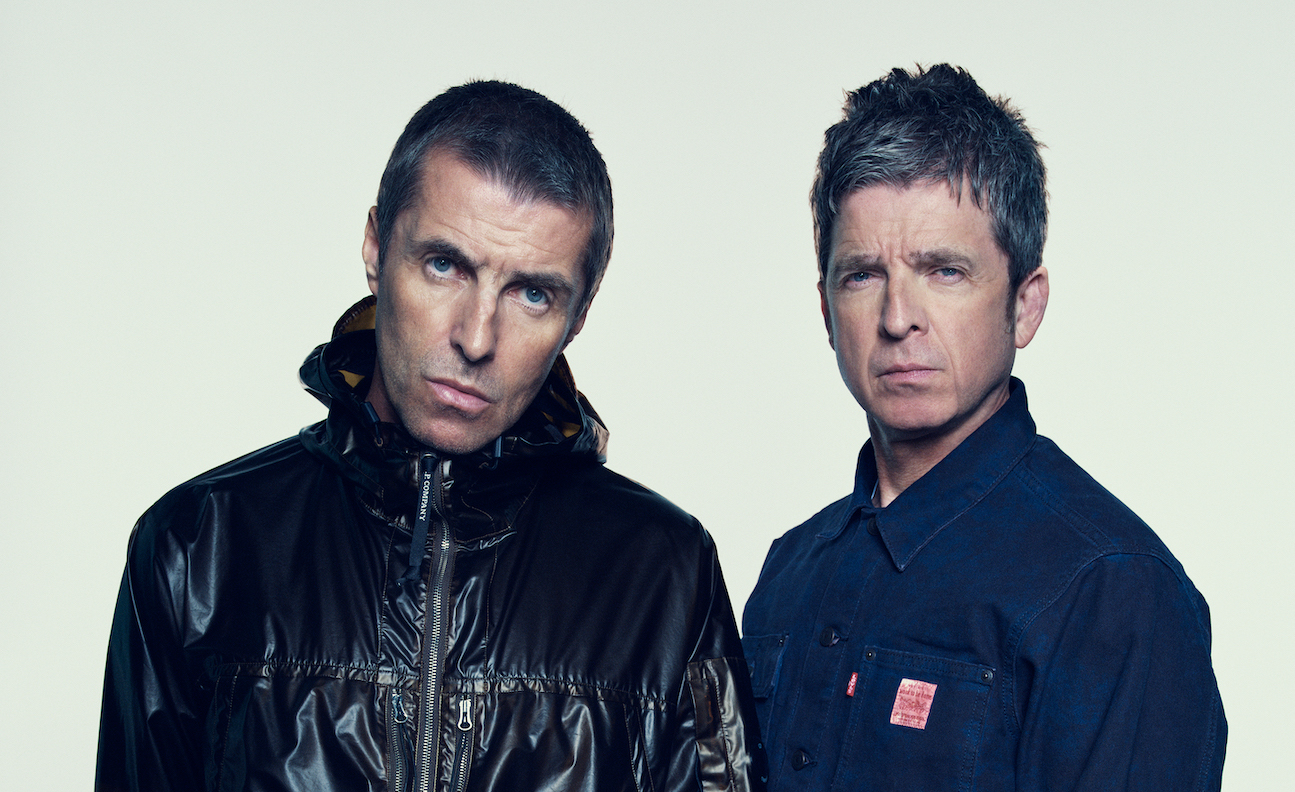 Oasis
Oasis
What place does the album format itself have in today’s business?
“The modern album exists within a very different and much broader ecosystem. Discovery can begin with a few seconds of a song on social media, a playlist placement, a live performance or a fan recommendation. However, that initial discovery frequently encourages listeners to explore an artist’s wider catalogue and understand the complete body of work. Streaming has also allowed albums to enjoy much longer and less predictable lives. A song can gain momentum months or even years after its release, bringing an entire album back to a new generation. At the same time, the continued enthusiasm for vinyl, deluxe editions and other physical formats shows that fans still value ownership, collectability and a deeper connection with artists.”
Stories like Oasis and their (What’s The Story)... milestone reflect the relevance of the charts for more established acts. The album was in the Top 20 when you announced it as the biggest-seller of all time, and Wonderwall has seen a resurgence this summer. How has the music stayed relevant?
“Great music has an ability to move beyond its original era, and Oasis created songs that people continue to see themselves in. The melodies are immediate; the emotions are universal and there is a powerful sense of togetherness within the music. Those qualities allow it to work just as naturally for somebody discovering Oasis today as they did for listeners in the 1990s. Wonderwall becoming an unofficial anthem for England during the World Cup is a perfect example. Players and supporters gave the song a new communal meaning, helping it climb to No.2 and match its original peak 31 years after its release. Streaming, social media, live performance and the band’s reunion have undoubtedly introduced the music to new audiences, but those things can only amplify something people already feel strongly about.”
Looking ahead, how will the albums chart evolve? What do you want to see happen?
“The chart has always evolved to keep up with changing transaction and consumption models. We review the charts with industry experts and artists on a regular basis, and strive to engage fan bases to celebrate the successes and achievements of their favourite artists. The Official Albums Chart belongs to the whole music community and, above all, to the fans whose choices shape it every week. After 70 remarkable years, we look forward to continuing that work together and documenting the next chapter of British music history. Our message to the business now is one of gratitude. Thank you to every artist, label, manager, retailer, platform, broadcaster and industry partner that has contributed to the Official Albums Chart’s history and continues to support its future.”
PHOTOS: Official Charts, Simon Emmett
 FOLLOW