Music Week has spoken to execs at Partisan Records off the back of the company’s Independent Record Company win at this year’s Music Week Awards.
VP, head of UK Jeff Bell and COO Zena White reflected on this year’s win, crediting recent successes with Geese and Ezra Collective as part of the reason why they secured recognition for a third time.
Partisan has gone on to have even more success with Ezra Collective scoring their first No.1 album.
In an excerpt from the full interview, the pair discuss the label becoming a specialist in artist development, how to break artists in today’s climate, and their thoughts on that Geese ‘fake fans’ controversy…
What is Partisan’s focus in terms of A&R in 2026? Are there any genres or territories that you’d like to expand on?
JB: “We launched an imprint in January called Select Discs, with Greg Wells, who’s been a long-time friend and family member of the label. It’s primarily an electronic artist label, which isn’t a genre we’ve dabbled in before, but already it’s bringing so much energy into the company. The way that you sign, develop and market those artists moves so quickly – it’s less focused on albums and is more about singles and EPs. That roster includes artists like Jeshi from London. And then there’s Luci Gang, a rapper from Korea, who is making a lot of waves online, to some pretty esoteric DJs. But when you zoom out to the roster as a whole, we’ve got a Fela Kuti catalogue at one end of the spectrum, and a band like Idles at the other. Ezra Collective fits firmly in between those. The throughline there is that they define themselves as artists who we believe are enhancing the human condition, not exploiting it. They’ve got something to say and they’re doing it in a unique way, and so it isn’t always a conversation about genre.”
ZW: “We have been genre-agnostic for many reasons. The essence of what Partisan is, is saying, ‘This kind of music doesn’t have an audience, but why not? Because it’s making people feel something important; therefore, we need to build an audience for it.’ In a way, that goes against the genrefication of things.”
You’ve had chart successes with Fontaines DC, Geese, Idles and Ezra Collective. Can you identify what the knack is for finding and developing artists who go on to do well?
JB: “If we could give a very succinct answer, it would probably make our jobs and lives a bit easier in the day to day! But it starts with understanding that artists are always developing – wherever they are in their career. They could have not put out any music and are just experimenting with ideas, or it could be an artist who is selling out stadiums around the world and is selling millions of records. They’re all still developing. If there is a knack, it’s appreciating that fact.”
ZW: “But I think even before that, it starts with, ‘Is it relevant?’ That’s the question we try to answer with what we’re looking for, especially when it’s a brand new artist. We all know how hard it can be to take an artist from absolute ground zero. I think, ‘Is it relevant?’ is a more important question today than it was even 10 years ago, because we’re now living in a world where so many things are made by computers. The human experience, the human-made art is even more important now to cut through that noise. It’s challenging to scale [artists and the business], for sure. But we figure out how to make it work and how to have a high-quality experience. And we try to make it fun, as well. One of the things we’ve learned along the way is that if we’re not making it fun for the artist – if it’s not a positive experience for them to work with us on the presentation of the record – then we’re not going to reach their fans in as positive a way either.”
Artist development is about knowing when to stay out of the way and when you’re actually needed
Zena White
Partisan’s Music Week Award came off the back of roster successes like Geese last year. Can you reveal the strategy behind breaking one of the hottest guitar bands on the planet?
JB: “It was by starting off meeting them when they were, like, 17 or 18 years old and just giving them space because we really believed in them as people. We saw what was possible. No one had a crystal ball, but we were excited about the possibilities. The momentum really started to pick up around the second record we did with them, 3D Country [Geese’s third album]. It was about giving them space to have some pretty wild ideas.”
ZW: “To Jeff’s point, I want to say that their first album, Projector, was made and produced by them in a basement when they were teenagers in high school. It was always about where they were going for us. So, actually, it’s a great record, but it was like, ‘If they’re making this now, where is this going to go?’ We signed them in 2020, it was the pandemic, they should have been touring and they couldn’t. And so the reason why it started to pick up around 3D Country in 2023 is because they were touring.
We supported the discovery rather than forced it on people or over-marketed it
Jeff Bell
JB: “And that’s a great record. But trusting Cameron [Winter’s] perception of the world, the lens that he was looking at it through and how other people were connecting with that – and then fast-forward to him putting out his own record a couple of years ago – and the process around all that was kind of anti-marketing. It was very much about letting people come and find it. We supported the discovery rather than forced it on people or over-marketed it.”
ZW: “Artist development is about knowing when to stay out of the way and when you’re actually needed, or when it’s important to contribute something. It’s really about putting the right structure and team around an artist to ensure that they can just keep doing what they do best, which is writing and recording incredible music. Geese are so talented and they have this unique chemistry because they’ve played music together since they were, like, 12 years old. That’s extremely rare.”
On the marketing point, that leads us to ask for your reaction to the Geese ‘fake fans’ controversy, in which the band was accused of drumming up inorganic support through digital marketing and trend simulation. Some fans were disappointed by the allegations, while others simply shrugged it off as another modern-day marketing trend…
ZW: “It was just ridiculous because it’s our job, as a label, to market records. That’s a part of what we do. It just so happens that in the last decade, influencer marketing has been one of the ways you reach people. We barely used it in this example. We tried something with the company, which will stay nameless, and even still, most of that was just tapping into people who had already been posting about the band anyway. And we certainly didn’t pay for fake comments. Ultimately, it was a real shame because this is an artist that has worked so hard for years, and has done nothing but truly be themselves. Also, a lot of people love to jump on a bandwagon. We’ve been fortunate enough to have a number of breakthroughs. There’s always some kind of backlash of [people thinking], ‘Okay, we don’t know why this is successful, so we’re going to try and take it down.’ That’s all that was.”
Subscribers can read the full interview with Partisan here
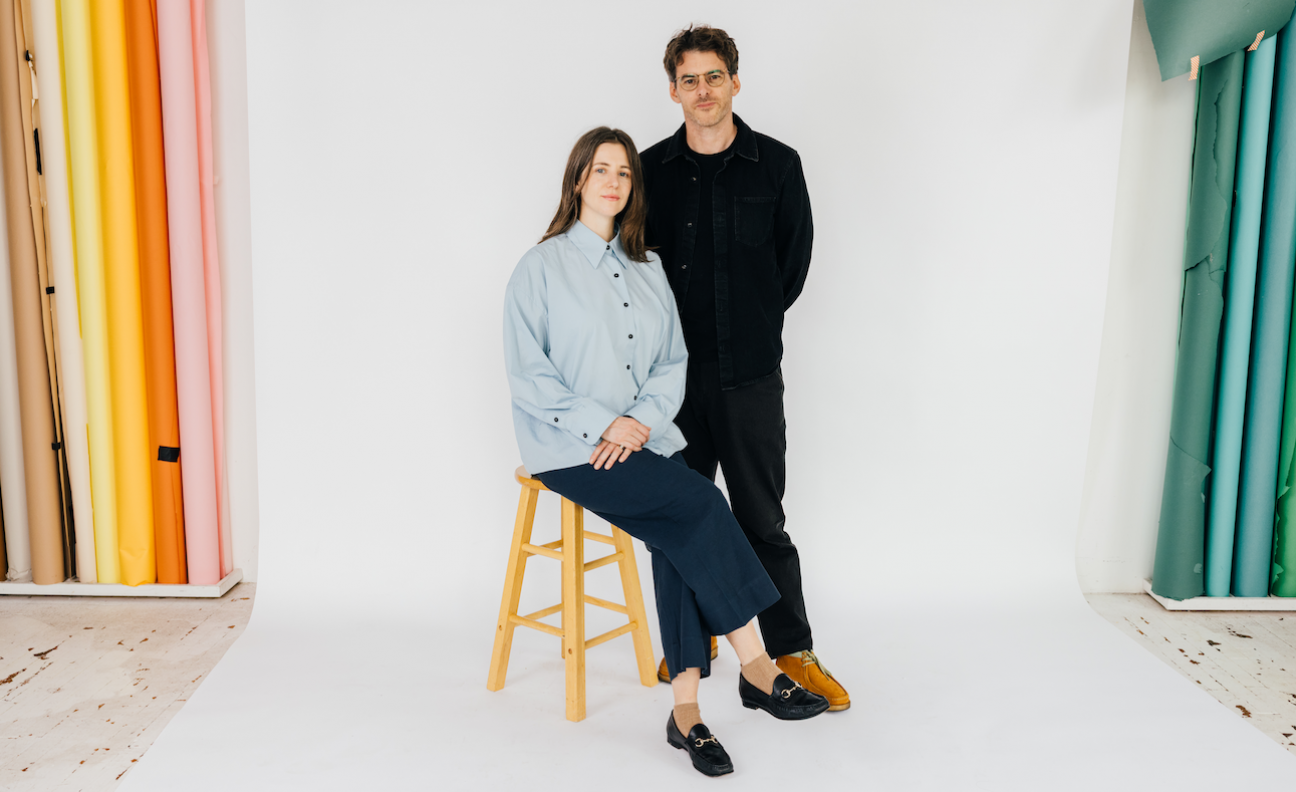
PHOTO: Sam Keeler