The streaming sector is ripe for innovation with new subscription tiers targeting superfans.
Cantilever is a new entrant to the streaming market with a focus on independent artists. Unlike an all-you-can-eat model, the highly curated service will focus on a few dozen albums with a time-limited model comparable to film platform Mubi in its early days.
Rather than competing with the incumbent DSPs, Cantilever is more like a music media platform that has the added bonus of directly paying rights-holders. Albums featured on the service are accompanied by articles and interviews.
All the independent repertoire will last for just one month through direct deals with the labels, while publishing agreements are in place through performance rights organisations. Every few days a new album joins the service with the oldest LP ending its Cantilever cycle.
It’s a concept that has already won the approval of indie labels with total financial backing of £250,000 from more than a dozen of the sector’s biggest names, including Because, Domino, Everlasting, Ninja Tune, Partisan, Secretly Group and Sub Pop.
“When we came across Cantilever, we were thrilled to find a concept that 100% aligns with our values and is driven by heavy curation, fairness and enthusiasm for our artist’s music," said City Slang founder Christof Ellinghaus. "That is something that all of us are truly happy to support.”
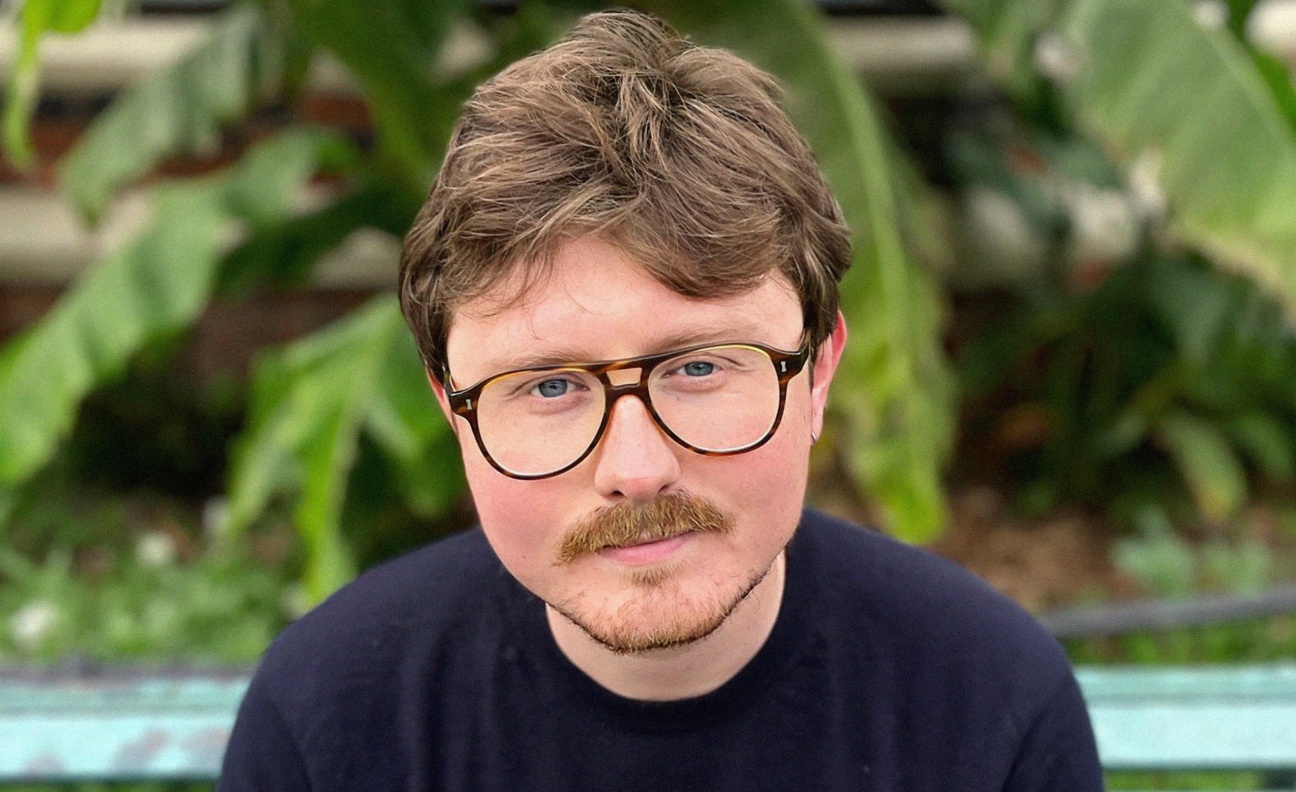
Here, Aaron Skates, Cantilever founder, explains the vision for a new approach to streaming…
What was the idea behind Cantilever, did you think independent music was not so well served by mainstream streaming services in terms of driving discovery?
“The streaming incumbents do drive a form of discovery – I find new music I love on Spotify all the time – but music media like press and radio has always been an important addition to the discovery experience. Cantilever’s proposition is responding more to the changes in music media than in streaming as such. We’ve seen a shift from people assuming no one would pay for online media to newspapers and SubStack blogs alike monetising behind a paywall. Blogs and music websites have arguably always over-represented independent music. Cantilever is different because it offers a media model that directly pays rights-holders rather than just driving traffic somewhere else.”
You have compared it to Mubi and BFI Player, will it share that curated concept? How big will the catalogue be?
“The catalogue will grow to 30 albums a month, still with the time limited model like the early days of Mubi. All repertoire will last for just one month. We have direct deals with the labels who provide us with the material and pay publishing through the usual PROs and MROs.”
Do you think Cantilever can happily co-exist with an indie-focused platform like Bandcamp, which does not operate a streaming service?
“I think this is absolutely the case: I buy music on Bandcamp all the time and use Cantilever. They are completely complementary. I’d like to explore how we could cement that further!”
Labels believe in what we’re building and the audience can see that this isn’t a tech company that happens to do music, but has music-first credentials
Aaron Skates
Twenty independent labels/executives have financially backed Cantilever, how important is that as a validation of your concept and message to your audience?
“It’s huge. Those labels believe in what we’re building and the audience can see that this isn’t a tech company that happens to do music, but has music-first credentials that resonate with these recognisable names. The financial backing, but also the original license agreements that pre-date this funding, are completely crucial for a platform like this to work.”
How will the £250,000 help you to expand the service in terms of staffing and new features?
“We’ve made our first hire in marketing, who will start at the end of June – we’ll collaborate on growing the platform as well as communicating it to artists, working on helping them factor it into their campaigns. Then in terms of new features we’ll have a web player and offline downloading very soon. We want the journalistic experience to be as rich as Substack: video, audio-articles, a slick multi-media experience that sits in complement to the core streaming proposition.”
You have opted for the user-centric payments model (with royalties based on individual users’ streams not market share) – why did you think that was important? And is it something that fans and the artists themselves have welcomed?
“User-centric, especially with a limited catalogue, arguably sits somewhere between a stream and a purchase from a consumer perspective: when I listen I know my subscription fee is going to this particular artist as opposed to joining the pro rata pool. It’s something that has been welcomed by our partners as we’ve onboarded so many great labels.
What are the ambitions in terms of growing the service with subscribers internationally? Will there be any scope for exclusive tracks and releases from independent labels and artists?
“We’re in the UK, EU and US right now. There are plans to scale internationally, and to feature a more global mix of music. But it’s also important to try to hit product market fit in the UK before thinking about expansion too much. We’ve done some excellent exclusives already – windowed releases before they appear on general streaming – and are looking to do many more!”
 FOLLOW