The global music industry is entering a new phase of technological transformation, with artificial intelligence poised to reshape not only how music is created, but how it is adapted, licensed, distributed and experienced across an increasingly diverse digital ecosystem.
While much of the conversation surrounding AI in music has focused on the emergence of generative tools and their implications for artists and copyright holders, the next wave of innovation is expected to extend far beyond the creation of entirely new songs. From AI-assisted adaptations of existing music and new licensing models to hyper-personalised listening experiences and autonomous AI agents, 2027 could mark a significant turning point in how music intersects with technology and everyday life.
At the centre of this evolution is a growing opportunity to make music more responsive to individual users, their preferences and the environments in which they engage with content.
As music becomes increasingly embedded in sectors such as aviation, fitness, gaming, telecommunications and connected devices, businesses will need to rethink how they deliver relevant, engaging and commercially licensed music experiences beyond traditional streaming platforms.
At the same time, the rapid advancement of AI is raising important questions about transparency, ownership and fair compensation. As the distinction between human-created and AI-assisted music becomes increasingly difficult to identify, the industry's ability to establish trusted licensing frameworks and ensure artists, songwriters and rights holders benefit from innovation will be critical to its long-term success.
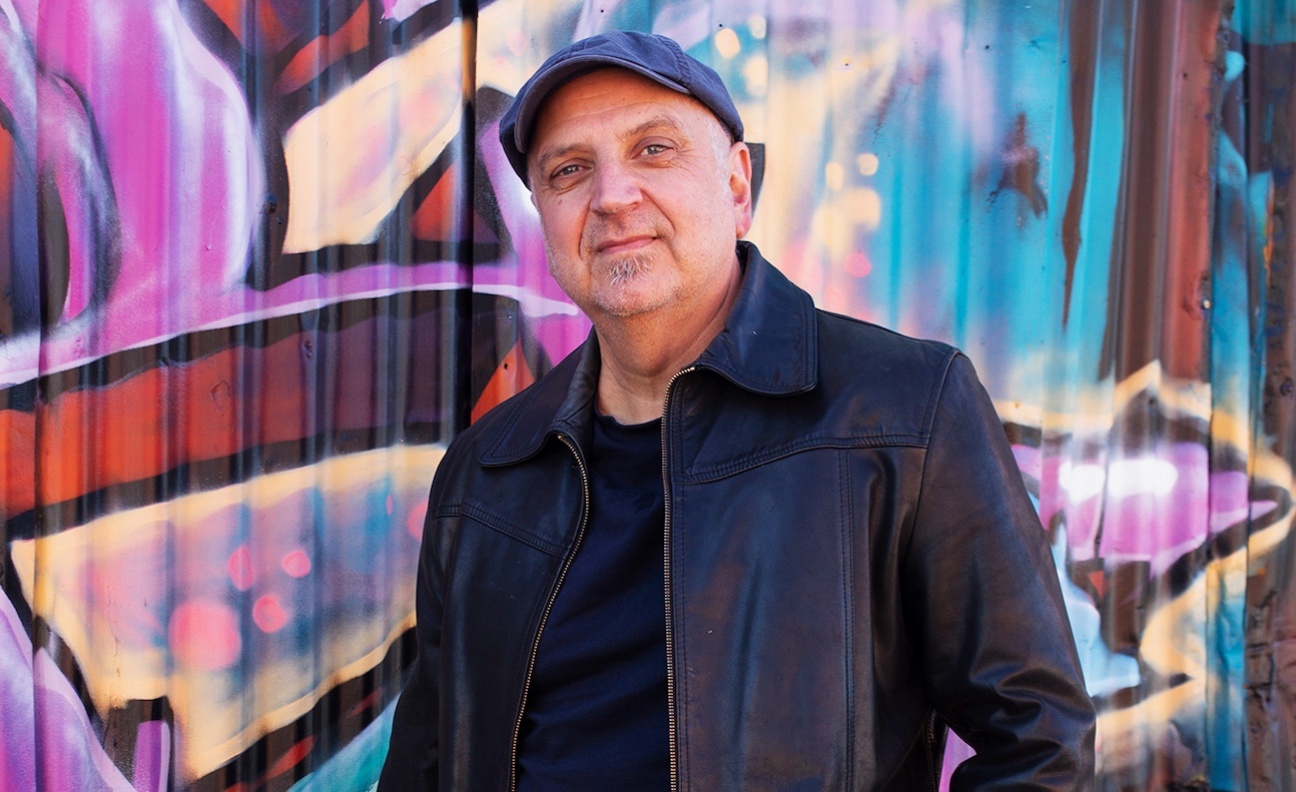
Looking ahead to 2027, Con Raso, managing director & co-founder of Tuned Global, predicts that the next major breakthroughs will come from combining AI capabilities with human creativity, making music personalisation more portable across digital services and opening new channels for music discovery and consumption through intelligent applications.
Rather than replacing traditional music experiences, these developments could significantly expand where, how and why people engage with music, creating new commercial opportunities for the wider industry while fundamentally changing the relationship between music, technology and the listener.
Raso identifies two key trends that will shape the music technology landscape in 2027: the acceleration of AI-powered music innovation within rights-respecting frameworks, and the emergence of hyper-personalised, AI-driven music experiences that extend beyond conventional streaming services.
AI innovation in music set to explode, but aligned with end user experience and human creativity
With a focus on end user experience, expect the opportunities of AI innovation in music to explode. And as AI-assisted music becomes harder to distinguish from conventional production, I think the industry debate will shift toward transparency. Auto tune would have to be one of the first AI tools out there. It is the same thing with plug-ins and everything that people have traditionally used to create really interesting loops and then modify those loops in different ways.
This means moving away from just the concept of creating brand new music and considering: how do I modify music? How do I create different versions of music? But it’s done in concert with a framework that means the original rights holders and songwriters and artists are paid for that inclusion. Artists are incredibly creative, and I believe those hybrid journeys are going to skyrocket.
The ability to carry an understanding of our music preferences between different services could begin to emerge as an important new opportunity in personalisation
Con Raso
Music licensing, consent and AI
A recent article in Music Week reported that Believe and Spotify signed a licensing agreement for the DSP’s upcoming remix tool. The deal is set to enable Believe’s and TuneCore’s participating artists and labels to benefit from new creative and revenue opportunities, while enabling fans to create remixes of their songs.
It follows Spotify’s agreements with Universal Music Group, Kobalt and Merlin for the digital licensing agency’s independent members. As reported, the tool is designed specifically for AI-powered remixes and covers, not entirely new works, to allow fans to reinterpret songs while the artists are paid.
When it comes to music licensing and AI, expect the industry to respond with greater availability of properly licensed training datasets, clearer consent mechanisms and more opportunities for artists and songwriters to participate in the commercial benefits.
Music taste hyper personalisation and AI
The ability to carry an understanding of our music preferences between different services could begin to emerge as an important new opportunity in personalisation.
How can we understand the taste profile of a user that’s moving from Spotify to an in-flight experience, for instance, and what does that actually mean for that user? I think this would be tremendously impactful.
Personal AI could become the bridge between otherwise disconnected services. It may be more that my own personal AI knows about me, and I can transfer some of that knowledge automatically to another service.
When we start to think of it that way, just transferring knowledge from an AI model, it’s easier than saying “I need all of my history and many things working together.” We might start seeing that at the tail end of next year. It will still be in very, very early stages.
Meanwhile, 2027 could see the emergence of more music services designed to interact directly with AI agents, allowing them to discover, select and deliver music while respecting the licensing and rights associated with its use.
This opens up a really interesting opportunity. Instead of asking how we build another music application, we should be asking how we make music available to an entirely new generation of intelligent applications. And that could create demand for music in places where a traditional streaming service would never have made sense.