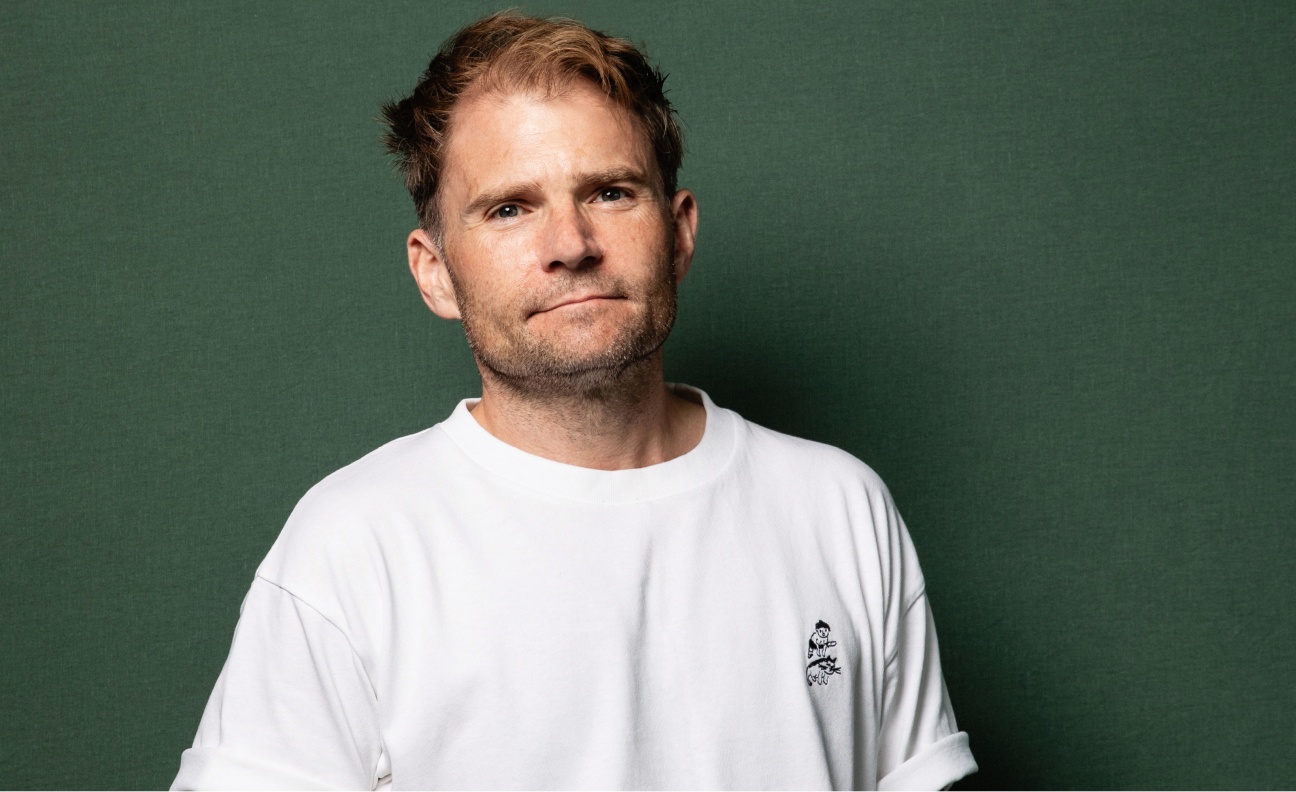
In the new edition of Music Week we bagged the first exclusive interview with James Wright, who was recently upped to co-head of UTA’s UK Music Group alongside Neil Warnock.
Wright, who was also made a partner in the company earlier this year, leads the London-based music team alongside long-standing UK co-head Neil Warnock. He joined UTA in 2015 following the company’s acquisition of Warnock’s The Agency Group (TAG).
At UTA, Wright’s roster includes artists such as Take That, John Legend, David Byrne, Jacob Collier, Lizzo, Underworld, The Marías, Rita Ora and Jon Batiste. A few months ago, he signed Laufey alongside the agency’s US team, and picked up a young Australian duo, Maden Lane, off the back of one live show.
“I have the itch, and I love the idea of finding something new and breaking it,” said Wright in his Music Week Interview with James Hanley. “But I’m also incredibly conscious that it comes with a huge amount of responsibility that I take very seriously. I don’t need to do that, and I have a very happy career, but I recognise the opportunity here to do something different and build this business in a different way. I spend a lot of time helping the other agents, assistants and coordinators build their own careers.”
At UTA, the balancing act between an agent's instincts and data insights is key – as James Wright reveals in our exclusive Q&A...
What will your role be in shaping UTA’s next chapter, and what will that chapter entail?
“We’re artist-first, so I’ll continue to grow my roster. The culture here is the thing that impresses me most, and what we need to keep getting right; the rest will fall into place. I want to grow our talented executives into great agents. Getting that right means they build their own ability and confidence, sign good artists we can break, and then [those artists] can become the new Bad Bunny, Rosalía and Take That. By getting the culture right, we’ll attract the agents who want to build their businesses here. We don’t want to be the biggest, we just want to have the best agents, the right culture, and the artists we believe in.”
When your appointment was announced, you said your focus was on signing “exceptional” artists. Who do you want to sign?
“We’re in a very privileged position that we don’t have a remit where we have to focus on one location or genre. Most agents, myself included, are looking for artists that are unique and are storytellers. Fundamentally, that’s what we gravitate towards, because having an artist that has something to say is the backbone of how successful they should be.”
I have the itch, and I love the idea of finding something new and breaking it
James Wright
So why should artists sign to UTA?
“Because there’s a real sense and a real belief that we’re at the cultural crossroads, and it feels like a genuinely global offering. A lot of people talk about that, but I don’t think it’s a reality everywhere. We’re incredibly connected across our businesses here, in the US and elsewhere, and we’re constantly thinking about how to be additive to an artist’s creativity, sometimes outside the reason they’re here. An artist might come to us for their touring needs, but can fit into other areas of our business, and we can help grow their profile there, too. We try to make people feel value from a global perspective and you really feel that in the team.”
Is there a common thread in the acts you choose to sign?
“Being unique is a big help. When it comes to signing, I’m also trying to look for the right agents to join us, as well as artists. Having a unique offering is always going to be attractive. For a long time, artist development was something that was seen as the responsibility of labels or managers. Being able to have a unique voice and communicate with your audience are really important attributes for artists these days, because of the sheer requirement of social media and how you engage with that. So having those things are really important: a strong artist proposition, good storytellers, good creators.”
Maden Lane had only played one gig before you signed them. Were you there for it?
“I wasn’t – it was a colleague of mine, Brooke [Newton], who tipped me off. A manager I work with, Scott Barkham, happened to be in Australia, saw them, started working with them, and we signed them 10 days later. They’re doing something different: they have an incredible vocalist and are at the beginning of their journey. I spend a lot of time talking to agents here about why we sign [an act], because you can get carried away. We all love music – we’re wired to want to be around it – but I try to think about whether I can add value and grow the artist. There’s an element of arrogance agents need, asking, ‘Am I the best person to do this?’ Sometimes, I love the music and know I’m the wrong agent for it. But with Maden Lane, the artists they reference as favourites are ones I’ve worked with, and I know I can build their career.”
UTA also houses research, analytics and digital strategy division UTA IQ. What can you tell us about that offering and how it plays into signings?
“I’m sure other competitors have something similar, but effectively it does two things for us. It’s an incredible asset for signing artists at any level. And it’s a group within UTA with insight into how artists are growing on social media and digitally, which we use to highlight areas of an artist’s business that are underdeveloped, whether we’re signing them or already work with them – gaps in touring or business they may not even be aware of. We look at fan data and trends, find synergies between artists and other areas, and use it to talk to promoters about where artists sit on festival bills, showing evidence when our data says they’re bigger in a market than the promoter thinks.”
We’ve hired some great new agents – it’s about growing this team, growing the culture
James Wright
But do you still sign some artists purely off instinct?
“Yeah. I think we should be signing artists for good reason, but it’s hard not to be an instinctive agent and to run with something you’re passionate about and to convince the world that you’re right and they’re wrong. I wouldn’t want to take that away from any agents here, myself included. We’ve just got to be smart about it.”
What’s the single biggest issue facing live music now?
“Cost. And competition. It’s bonkers how many tickets are on sale over summer. Attracting audiences to grassroots venues is going to be key. We need small venues, clubs, gig rooms in the back of pubs to craft an artist’s career, and I want the general public to go to more of those shows [to ensure] they survive.”
How about something that people aren’t talking about?
“We’ve got a responsibility as an industry to make sure that we’re representing what fans want to see and hear. That means the continued effort to have diverse bills and make sure that we aren’t always just considering what’s going to affect the bottom line. We have to challenge ourselves and sometimes the audiences. Sometimes, we need to have an understanding that we have to take a risk and take an audience along with us.”
Do you think ticket prices have reached a tipping point?
“Most people I speak to are looking for shows to sell out, and the price point to be representative of the quality of the product. Meeting at that crossroads is what we try to do. But these shows are incredibly expensive to pull off – to tour the globe has never been more expensive. If you spend enough time working at it, getting the price point right, the evidence is there that these rooms are selling.”
Can you share your ambitions for the future?
“To continue to sign and work with great artists and to grow the roster, first and foremost. But a close second, is the team here. We’re very fortunate to have people like Darnell [Strom, head of UTA UK], people likeJules [de Lattre, agent] as a partner in the business with us. We’ve got great young agents coming through. We’ve hired some great new agents. It’s about growing this team, growing the culture, being supportive of that, allowing them to grow their businesses. Make them feel that they’ve got a strong and long future with the company, and the rest will fall into place.”
To read the full Music Week Interview subscribers can click here.