Music video network Vevo has unveiled the findings of Then is Now, a new report on the effects of cultural nostalgia.
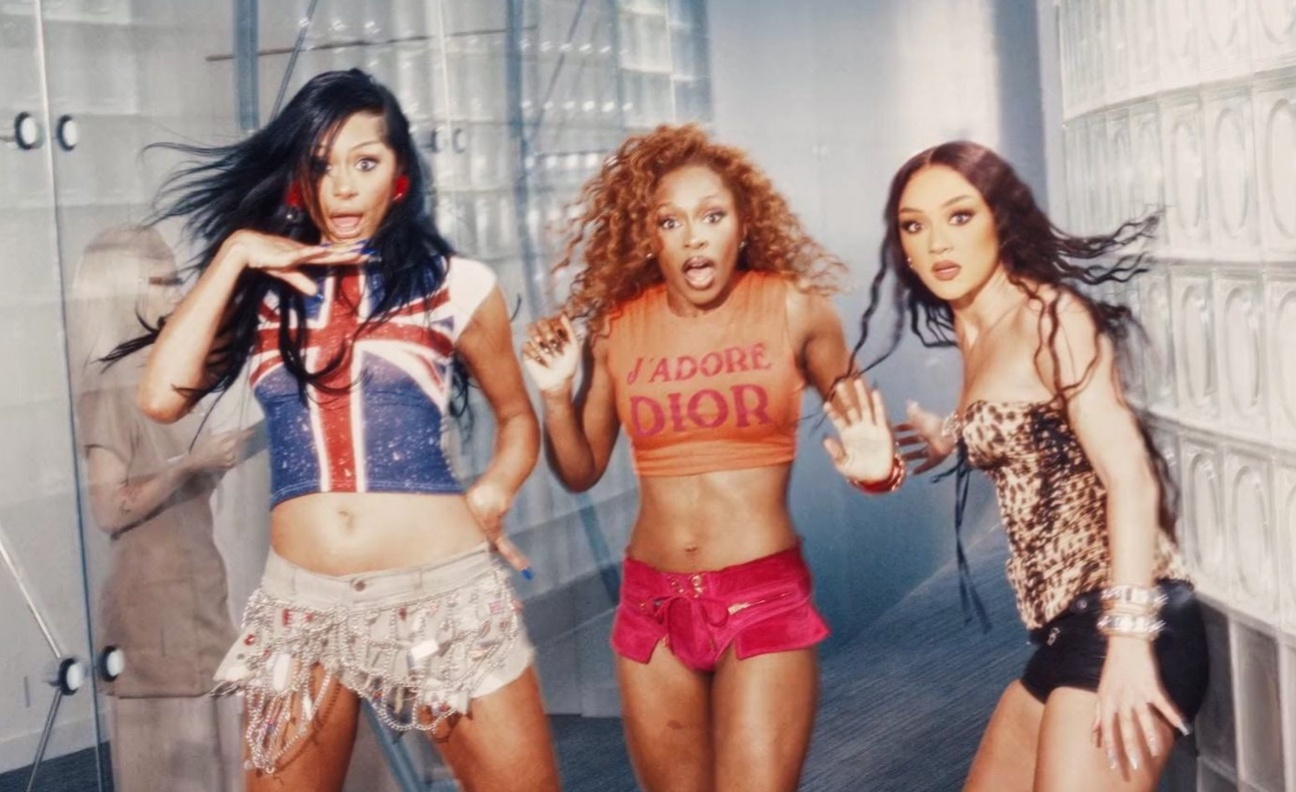
The study explores how nostalgia is shaping music discovery, cultural connection and audience engagement across generations. It references artists including 50 Cent, ABBA and Britney Spears, as well as contemporary acts such as FLO (pictured), who draw on an early 2000s R&B sound.
Vevo has added a new nostalgia purchasing layer within Vevo Evolve, the advanced targeting and buying offering for advertisers. It enables brands to align with culturally resonant music video moments.
Surveying more than 1,800 Gen Z, Millennial, and Gen X consumers across the US, UK, and Australia, the report finds that shared cultural nostalgia significantly impacts consumer behaviour and reveals music as the strongest driver of nostalgic feelings.
Across the generations surveyed, revisiting past content – including music and television – is the leading trigger of nostalgic feelings (76%). Sixty percent identify with “shared nostalgia,” a collective memory shaped by cultural reboots and widely shared content.
This trend is especially prominent among younger audiences: 65% of Gen Z report experiencing “borrowed nostalgia” for cultural moments from before they were born or are too young to remember, and one in three say they feel they were “born in the wrong generation”.
“For younger audiences, nostalgia is a form of cultural curation and identity-building, while artists are increasingly channeling borrowed nostalgia through retro-inspired visuals, styling, and fashion in new music video releases,” stated the report.
The ease and accessibility of streaming is accelerating the discovery and use of nostalgic content more than ever before
JP Evangelista
“The ease and accessibility of streaming is accelerating the discovery and use of nostalgic content more than ever before, from fueling catalogue engagement with legacy artists to actively shaping the latest premieres,” said JP Evangelista, EVP, content, programming & marketing at Vevo. “However, it's not just about revisiting what you loved years ago; people are craving shared moments and experiences, a contrast to the fragmentation driven by personalised algorithms.
"That’s why nostalgia has become a powerful form of cultural currency. The entertainment industry at large – from artists and their teams to production studios – are meeting this desire and have been incorporating nostalgia into music, fashion, TV and beyond.”
The report reveals that music is the strongest driver of nostalgia, with 88% of respondents saying it sparks nostalgic feelings, outperforming movies, television and gaming.
Music videos lead among music formats (68%), ahead of audio tracks (59%) and live performance videos (50%). That emotional connection also drives discovery, with 67% of respondents saying hearing music from the past encourages them to explore other songs from that era, introducing audiences to catalogue moments.
“Nostalgia is a timeless, powerful driver of engagement in today’s streaming era,” said Laura Vanison, VP, research & measurement at Vevo. “The visual storytelling of music videos transcends the music itself and creates a deep emotional and psychological connection for fans – both new and existing – in a way that few forms of entertainment can. Music videos from the past uniquely provide context to songs and major pop culture moments, making them an iconic source of inspiration.”
 FOLLOW