The UK government is pressing ahead with a social media ban for under-16s.
Prime Minister Sir Keir Starmer announced the roll-out of the measures today (June 15) to “give kids their childhood back”. He said restrictions on children accessing social media were the best way to keep them safe online.
“This is a line in the sand,” said Sir Keir. “Tech giants had their chance and failed, but we’re stepping in to protect children, back parents and set a new normal for future generations.”
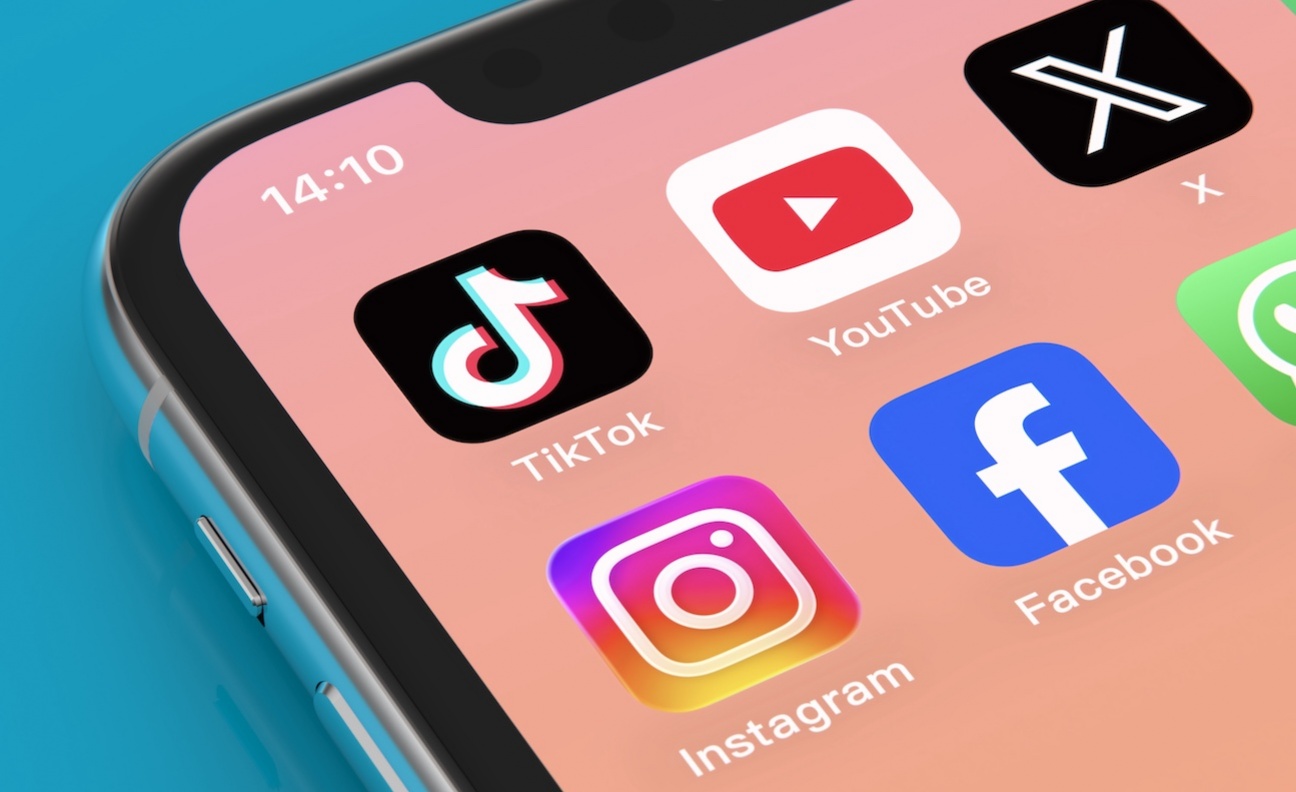
The move will affect TikTok, YouTube, Instagram, Facebook and X. The ban is set to be introduced in spring 2027.
"We’ve invested in expert-led, age-appropriate experiences and default protections for teens for over a decade and will continue to do so," said a YouTube spokesperson. "YouTube is a vital resource for young people, educators and parents, external. Blanket bans push kids out of such curated, supervised, beneficial experiences and towards anonymous, less safe services."
Most social media platforms in the UK currently require children to be over 13 to create an account and use their services.
The blanket social media ban follows a public consultation which received more than 120,000 responses. Research has shown that 90% of parents back such a ban.
For the music industry, however, it means that multiple platforms for music will no longer be an available method to reach young fans.
While the impact of that remains to be seen, the inability of a 14-year-old to go on YouTube or TikTok to discover new music or follow a favourite artist could mean that a nascent music fan finds other ways to spend their spare time. Following the Covid pandemic, there was industry talk of a generational cohort of young people who missed out on gigs and festivals and never acquired the habit.
Research by media regulator Ofcom found that YouTube accounts for the largest share of time spent online by young people aged eight to 14, at 23%. That was followed by SnapChat (18%), WhatsApp (9%), TikTok (7%) and Roblox (7%).
Tech giants had their chance and failed, but we’re stepping in to protect children, back parents and set a new normal for future generations
Sir Keir Starmer
When the social media ban was first being discussed several months ago, one industry executive even suggested that it might encourage the return of a show like Top Of The Pops as a way of young people accessing music TV performances via a trusted broadcaster.
A social media ban on music could certainly boost the role of the BBC in championing new music. However, youth network BBC Radio 1 has long trumpeted its commitment to social media channels such as YouTube and TikTok – and now faces losing a large chunk of its audience on those platforms. The ban would likely take effect in time for BBC Radio 1’s Big Weekend next year.
In the latest RAJAR results, Radio 1 reported that it has a combined 329.66 million views on social media across TikTok, Instagram and Facebook during the quarter. Radio 1’s videos on YouTube have had over 6.1 billion views to date.
With messaging apps not affected by the ban, labels' social media strategy may shift to platforms such as WhatsApp, although it increasingly resembles a social platform with new features being updated. Last year Meta-owned WhatsApp added music uploads as an option and the messaging service has partnered with the BRIT Awards.
In addition, Spotify songs, albums and playlists can be added directly to WhatsApp status or chats.
Speaking of Spotify, the streaming giant could be one of the main beneficiaries of a social media ban. Spotify is available for those aged 13-plus (or younger as part of a managed account within a family plan), while the DSP already has protections in place to prevent restricted content such as certain music videos.
While the music industry, social media giants and broadcasters face up to the loss of a young audience on various platforms, it now remains to be seen if the policy will work.
Age assurance measures, which could include face scans or ID verification, will be used to check the age of social media users. The Australian model will also be examined as part of the implementation, amid some concerns about the use of VPNs to circumvent any ban.
"As we've seen in Australia, bans risk isolating teens from online communities and information, and driving them to unregulated alternatives that lack built-in protections and parental controls," said a Meta spokesperson.
Meta said it shares the goal of “keeping teens safe online". The company has been promoting its teen accounts, which automatically limit who can contact children and the content available.
IMAGE: Getty/Lixu
 FOLLOW