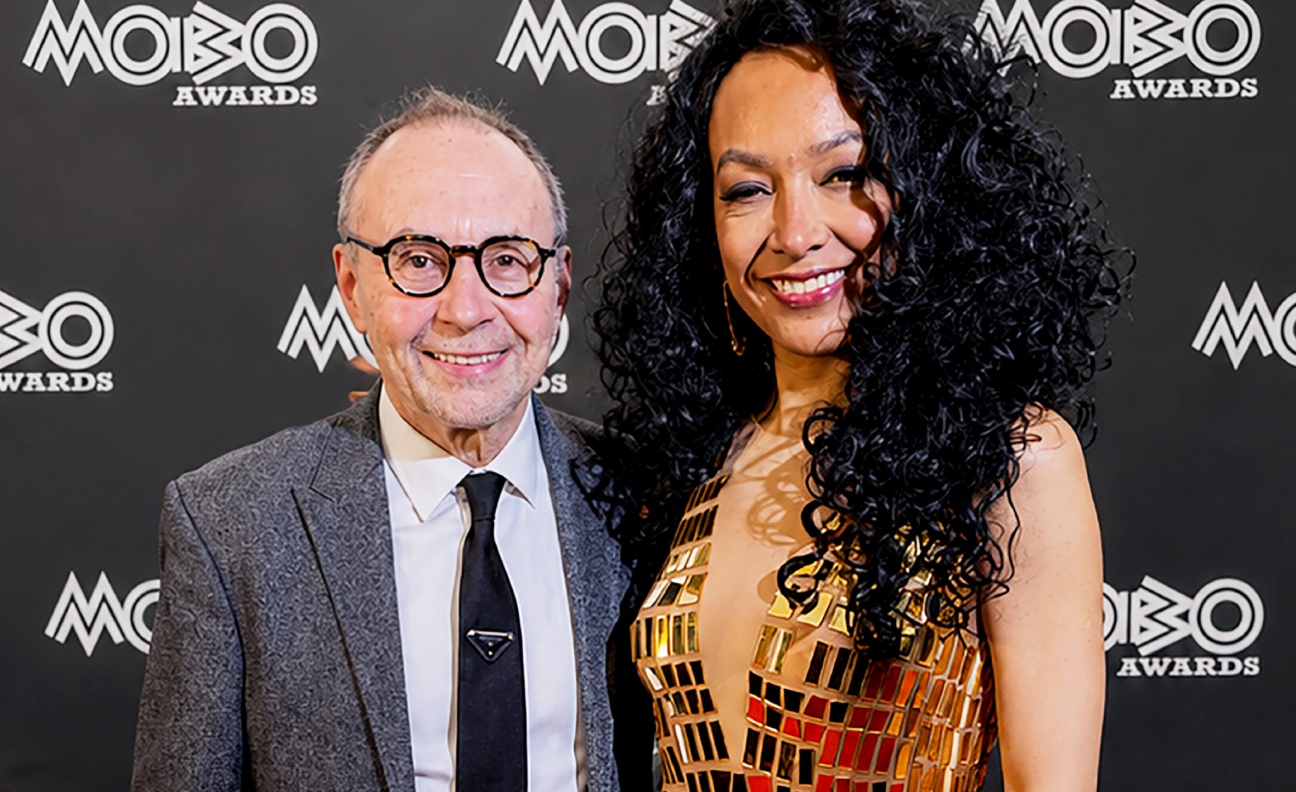
In 2016, Professor Jonathan Shalit OBE helped establish the MOBO Trust, the charitable arm of the MOBO Organisation. Here, he reflects on its impact and his work with Kanya King…
What always struck me about Kanya King was that she never saw recognition as the destination. She saw it as the beginning. She understood that when a young person sees someone who looks like them, sounds like them or shares their experiences being celebrated, something powerful happens. Confidence grows. Ambition expands. Possibility replaces limitation. That philosophy sat at the heart of everything she did and explains why her influence extends far beyond music. Genuine pioneers are rare. Kanya was unquestionably one of them.
When she founded the MOBO Awards in 1996, she was doing far more than creating another ceremony. At a time when artists and genres rooted in Black music and culture were often overlooked, she created a platform that celebrated excellence and demanded recognition. She faced scepticism, rejection and countless obstacles, yet through extraordinary determination she simply kept going.
Thirty years later, the MOBO Awards have become one of Britain’s most important cultural institutions. Yet awards and accolades were never enough for Kanya. Her vision was always bigger.
My own journey with Kanya’s wider philanthropic ambitions began in 2015. She spoke passionately about wanting the industry to recognise that MOBO represented far more than one evening each year. She believed deeply in creating opportunity and wanted that purpose to be understood and embraced.
To help achieve that, I convened a lunch with David Joseph, then chairman & CEO of Universal Music UK, Jason Iley, chairman & CEO of Sony Music UK & Ireland, Max Lousada, then chairman & CEO of Warner Music UK, former BPI CEO Geoff Taylor and Ed Vaizey, who was minister for culture, communications and creative industries.
Genuine pioneers are rare – Kanya was unquestionably one of them
Professor Jonathan Shalit OBE
During the discussion, Kanya expressed understandable frustration that the breadth and significance of what she had created was not fully appreciated. From that lunch emerged the idea that Kanya’s philanthropic ambitions needed a structure that would enable the industry to understand, support and invest in them. From that seed, and via many conversations with Kanya, the MOBO Trust was born.
Helping bring that vision to life remains one of the great privileges of my career. Kanya and I shared a belief that the impact of MOBO should extend far beyond celebration and recognition. Awards matter, but what matters even more is creating genuine opportunities and helping people fulfil their potential.
Even in the most difficult periods of her illness, Kanya’s focus was outward-looking. She spoke not about herself, but about young people, opportunity and ensuring that the work would continue long after she was gone. That told you everything about who she was.
People often saw the entrepreneur, the public speaker and the cultural icon. I saw someone with extraordinary kindness and humility. She possessed remarkable resilience, but equally remarkable compassion. She was ambitious without ego, determined without bitterness, and always interested in opening doors for others.
No one can replace Kanya King, nor should they try. But I know she would not want us simply to look backwards. She would expect those entrusted with carrying forward her work to keep building, keep mentoring and keep believing in potential wherever it is found. That responsibility is one I feel deeply, supported by the Trust’s outstanding board and by all those committed to preserving and strengthening the values Kanya devoted her life to.
Kanya’s legacy lives in every young person who gained confidence because they finally felt represented, every entrepreneur who dared to pursue an idea because Kanya showed barriers could be broken, and every creative who discovered there was a place for them after all.
Her smile, wisdom and belief in others will be missed enormously. But the opportunities she created and the lives she touched will endure for generations. I can think of no finer legacy than that.